The Hidden Malassezia Overgrowth
Few things in the world of skincare are as exhausting or psychologically draining as battling an stubborn breakout that completely refuses to heal. You spend months buying standard acne treatments – slathering your face in benzoyl peroxide gels, loading up on salicylic acid face washes, and testing strong anti-acne spot treatments. Yet, day after day, you look in the mirror and realize your face hasn’t changed. In fact, it might even look more inflamed.
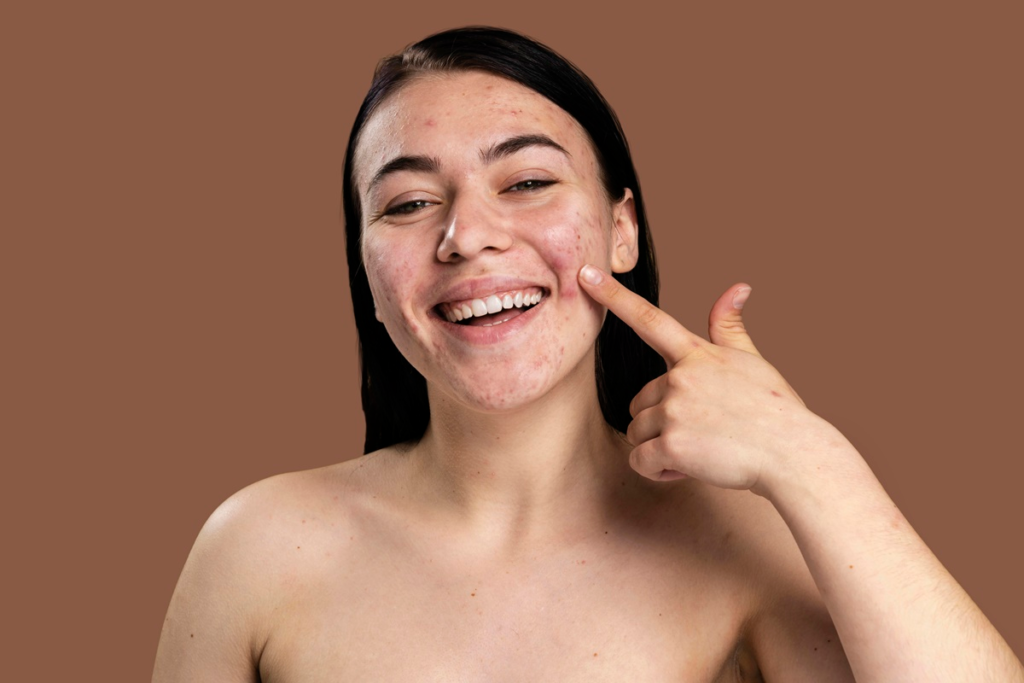
The bumps are small, uniform, tightly clustered, and intensely itchy. They sit across your forehead, line your hairline, and creep down your chest and upper back. Every time you try a traditional acne cream, your skin feels stripped and burning, but the bumps remain completely unaffected.
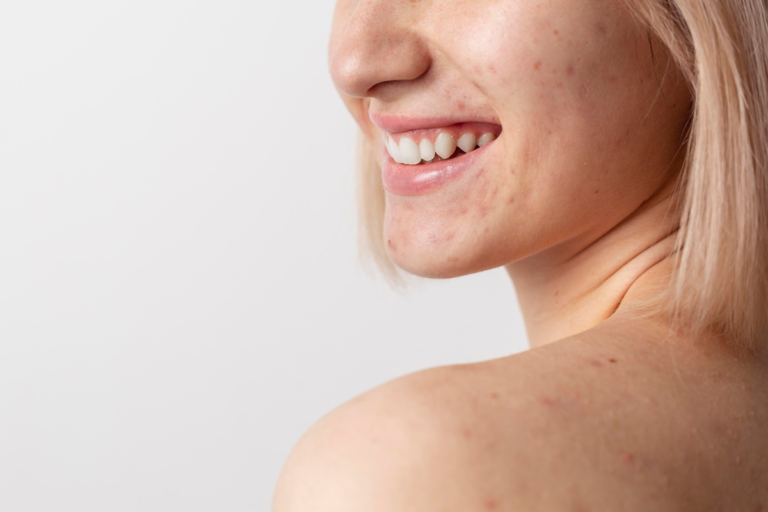
If this frustrating cycle sounds familiar, it is time to face a critical clinical truth: you are likely not suffering from regular acne at all. What you are experiencing is a highly misunderstood skin condition known in the medical world as Malassezia Folliculitis, popularly referred to as “Fungal Acne.”
Treating fungal acne with traditional bacterial acne products is like trying to put out a chemical fire with gasoline. Traditional acne treatments are formulated to kill bacteria (Cutibacterium acnes), not fungi. Worse, standard cosmetic moisturizers and creams are packed with specific fatty acids and oils that serve as a direct food source for this fungal overgrowth, essentially feeding the infection every single time you apply your evening products.
To eradicate fungal acne for good, you must completely throw out standard skincare rules. You need a specialized, lipid-free, anti-fungal nighttime routine that starves the organism while using advanced botanical bio-stimulators to deep-cleanse the follicle walls and reset your skin’s local ecosystem. Today, we are going to write the absolute definitive guide to mastering a professional-grade fungal acne routine. We will break down the microscopic science of why Malassezia thrives on your face, list the absolute ingredient red flags you must eliminate from your vanity tonight, expose the daily lifestyle habits that feed the yeast, and explore why integrating the iconic Christina BioPhyto Herbal Complex into your evening ritual is the ultimate professional solution to safely dissolve the fungal defense shield, purify the skin, and unlock a beautifully clear complexion.
The Microscopic Invader: What Fungal Acne Actually Is
To successfully treat fungal acne, we must first understand the biology of the organism causing the irritation. True acne is bacterial; fungal acne is a fungal infection of the hair follicle.
The Malassezia Yeast Ecosystem
Your skin is naturally home to a diverse universe of microscopic organisms, including a group of lipophilic (oil-loving) yeasts called Malassezia. Under normal, balanced conditions, this yeast lives peacefully on your skin surface, causing absolutely no issues. It relies on your natural sebum production to survive, consuming the lipids your skin naturally secretes.
The Transition to Folliculitis
The problem arises when an imbalance occurs – typically triggered by a combination of heat, humidity, chronic sweat, a compromised skin barrier, or the use of occlusive, oil-heavy cosmetics. When these conditions are met, the Malassezia yeast begins to multiply at a hyper-accelerated rate.
As the population explodes, the yeast dives deep down inside the narrow channels of your hair follicles. Once inside, it consumes the fatty acids within your sebum and produces inflammatory byproducts that trigger an intense, localized immune response.
The hair follicle becomes heavily irritated, swelling up into a small, itchy, uniform pustule. Because this is a fungal infection rather than a bacterial one, standard ingredients like benzoyl peroxide cannot kill the organism. Instead, they simply strip away your healthy bacteria, leaving a blank canvas for the fungal overgrowth to expand even further.
The Fungal Food List: Ingredients You Must Avoid Tonight
The absolute most common reason people fail to clear fungal acne is that they are inadvertently feeding the yeast with their daily skincare products. Malassezia is a highly specific organism; it lacks the genetic ability to manufacture its own fatty acids, meaning it must absorb them from its external environment. Specifically, the yeast feeds voraciously on fatty acids with carbon chain lengths ranging from C11 to C24.
If your current nighttime routine contains any of the following common cosmetic ingredients, you are directly feeding the fungal infection:
Destructive Fatty Acids and Oils to Eliminate
- Lauric Acid (C12): Frequently found in natural cleansing balms and rich moisturizing creams.
- Myristic Acid (C14): A common thickening agent in foaming face washes and anti-aging lotions.
- Palmitic Acid (C16): Used heavily in luxury creams to create a smooth, velvety texture.
- Stearic Acid (C18): One of the most prevalent fatty acids used to emulsify skincare creams and lotions.
- Oleic Acid (C18 monounsaturated): The primary component of heavy natural oils like olive oil, avocado oil, rosehip oil, and shea butter.
- Polysorbates (Polysorbate 20, 40, 60, 80): Common emulsifiers found in modern serums and sheet masks that contain fatty acid tails the yeast can easily consume.
To heal fungal acne, every single product that touches your skin – from your cleanser to your overnight cream – must be strictly fungal acne-safe, meaning it relies entirely on synthetic esters, mineral oils, or ultra-short-chain lipids (like Caprylic/Capric Triglycerides) that the Malassezia organism is physically incapable of eating.
The Clinical Savior: Christina BioPhyto Herbal Complex
When the hair follicles are deeply congested with a stubborn Malassezia overgrowth, superficial washes are not enough to clear the infection. You need an advanced, clinical-grade treatment capable of penetrating deep into the pore lining to lift out the fungal mass, increase local microcirculation, and deliver powerful, natural anti-fungal botanicals directly to the root of the issue. That is precisely why I introduce the Christina BioPhyto Herbal Complex into my clients’ nighttime protocols.
The BioPhyto line is internationally celebrated for its focus on cellular detoxification, botanical healing, and the balance of vascular microcirculation. The Herbal Complex is a powerful, professional-grade botanical peel that serves as an absolute game-changer for fungal-prone tissue.
The Unique “Gymnastics” of the Skin
The Herbal Complex works through a unique thermal mechanism. Upon application, it induces an immediate cooling sensation followed by a deep, warming rush of blood to the surface of the skin. This dual-action response dramatically increases localized microcirculation, bringing fresh oxygen and immune cells directly to the infected follicles to accelerate tissue healing and sweep away metabolic waste.
The Anti-Fungal Botanical Powerhouse Inside the Formula
Unlike aggressive chemical peels that strip away your vital lipid barrier, the BioPhyto Herbal Complex achieves its deep-purifying action through an expertly balanced blend of active botanicals and minerals:
- Salicylic Acid: A fat-soluble beta-hydroxy acid that glides effortlessly into the oily pore channels, dissolving the sticky plugs of dead cells and sebum that trap the Malassezia yeast deep inside the follicle.
- Mint Extract & Menthol Oil: Delivers an instant cooling sensation that suppresses the intense, maddening itchiness that characterizes fungal acne, while providing localized antiseptic properties.
- Anise Fruit Oil: A highly potent botanical extract packed with natural compounds that exhibit profound antimicrobial and anti-fungal activity, specifically targeting yeast overgrowths to halt their cellular reproduction.
- Capsicum (Red Pepper) Extract: The active component responsible for the warming phase of the treatment. It stimulates microcapillary blood flow, triggering a profound cellular detox that purifies the follicle from within.
- Chlorophyll: A natural plant pigment that provides excellent anti-inflammatory, antioxidant, and tissue-repair properties, helping to calm the red, irritated skin surrounding the fungal clusters.
The Ultimate Fungal Acne Nighttime Protocol
To systematically eliminate Malassezia overgrowth, reduce intense itching, and rebuild a clear, calm skin surface, you must execute a pristine, non-occlusive evening routine. Follow this precise, esthetician-approved 5-step ritual:
Step 1: The Lipid-Free Cleanse
Begin your evening by thoroughly washing your face with an ultra-gentle, sulfate-free cleanser, such as the Christina BioPhyto Mild Facial Cleanser. This professional formulation washes away daily pollution, surface sebum, and sweat without stripping your natural defense barrier or leaving behind any heavy, oil-based residues that could feed the yeast. Wash with lukewarm water for a full 60 seconds using light, circular motions.
Step 2: The BioPhyto Herbal Complex (Executed 2 to 3 Times per Week)
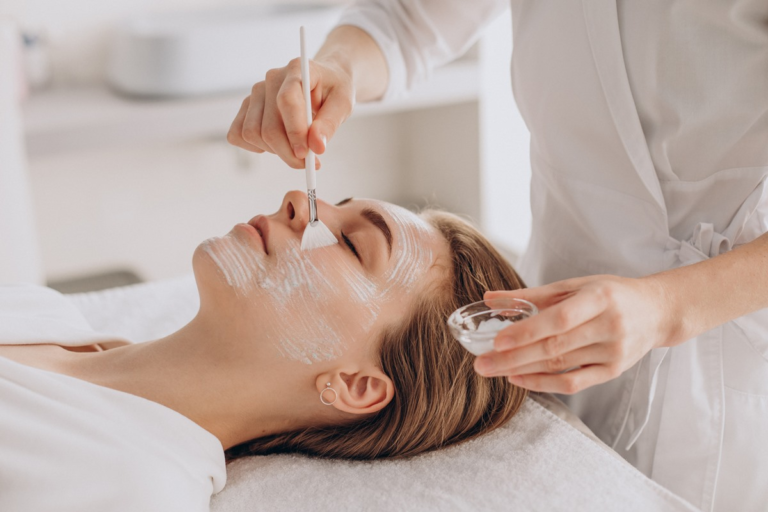
On thoroughly clean, completely dry skin, dispense a nickel-sized amount of the Christina BioPhyto Herbal Complex. Smooth a thin, uniform layer across your entire face, avoiding the immediate delicate eye area.
Within seconds, you will feel a sharp, clean cooling sensation, followed closely by a deep, therapeutic warming wave as your microcapillaries dilate. This is completely normal and indicates the botanical extracts are actively working.
Leave the complex on your skin for 10 minutes. To remove, rinse thoroughly with cool water, using your hands to gently lift the product away without harsh rubbing. Pat dry with a fresh, clean paper towel.
Step 3: The Weightless Water Flood
Fungal acne thrives in hot, suffocating environments, so you must avoid traditional heavy cream moisturizers. Instead, flood your skin with pure, weightless water hydration by applying 4 to 5 drops of the Christina Line Repair Theraskin + HA. This advanced hyaluronic acid fluid sinks instantly into the deep layers of the epidermis, plumping your cells with pure moisture without adding a single gram of fungal-feeding lipids.
Step 4: The Balancing Daytime/Nighttime Transition Lotion
Apply a thin layer of a lightweight, purifying fluid like the Christina Comodex Control & Regulate Day Treatment or the BioPhyto Balancing Cream. These specific formulas are carefully engineered to optimize sebum regulation, keeping your face beautifully balanced and matte, which completely cuts off the oil supply that the Malassezia yeast requires to multiply.
Step 5: The Targeted Fungal Spot Treatment
If you have areas with intense, stubborn fungal clusters (such as across the center of the forehead or along the jawline), take a tiny drop of your esthetician-recommended topical anti-fungal solution and tap it directly onto the raised bumps over your moisturizer. This locks the active ingredients directly onto the infection site through the night.
Daily Lifestyle Adaptations to Stop Fungal Acne for Good
Topical skincare products are only half the battle when dealing with a Malassezia overgrowth. Because yeast thrives in warm, moist, dark environments, your daily physical habits play a massive role in whether the infection clears up or continues to return:
The Post-Workout Cleanse Rule
Allowing dried sweat to sit on your face for even thirty minutes after a workout is an absolute guarantee that your fungal acne will worsen. Sweat contains mineral salts and urea, which break down your skin barrier, while the damp warmth creates a perfect greenhouse environment for yeast reproduction.
If you cannot take a full shower immediately after exercising, always carry a bottle of fungal-safe micellar water and a stack of clean cotton pads in your gym bag. Thoroughly wipe down your hairline, forehead, and chest the exact minute your workout ends, then mist your skin with a purifying botanical spray.
The Synthetic Fiber Trap
If you suffer from fungal acne on your chest, shoulders, or upper back, you must take a close look at your clothing choices. Tight, synthetic fabrics like polyester, nylon, and spandex trap heat and body moisture directly against your skin, creating a high-humidity zone that causes Malassezia to explode in numbers.
Switch to loose-fitting, breathable garments made from pure natural fibers such as cotton, linen, or bamboo. Furthermore, always launder your workout gear, pajamas, and bath towels using a hot water cycle and an unscented, hypoallergenic detergent to ensure no fungal spores remain trapped within the fabric weave.
Conclusion: Reclaim Balance, Erase the Itch
Fungal acne can feel like an incredibly lonely and maddening battle, especially when you have spent months mistakenly treating it with traditional acne products that only made your skin feel worse. It is a condition that requires strict discipline, a complete elimination of common cosmetic oils, and an intelligent approach to biological balance.
You cannot scrub fungal acne away with harsh mechanical brushes, nor can you dry it out using stripping chemicals that leave your skin raw and vulnerable. You must treat your skin like a delicate ecosystem – starving the yeast overgrowth by cutting off its lipid food supply, while using advanced professional formulations that purify the tissue and encourage deep, healthy cellular regeneration.
By committing to a specialized nighttime routine centered around the exceptional Christina BioPhyto Herbal Complex and oil-free water concentrates like Theraskin + HA, you are giving your skin the exact tools it needs to win the battle. You are clearing away the deep follicular debris, dramatically increasing healthy microcirculation, stopping the frustrating itch, and restoring your skin barrier to a state of perfect, harmonious, and flawlessly clear health.