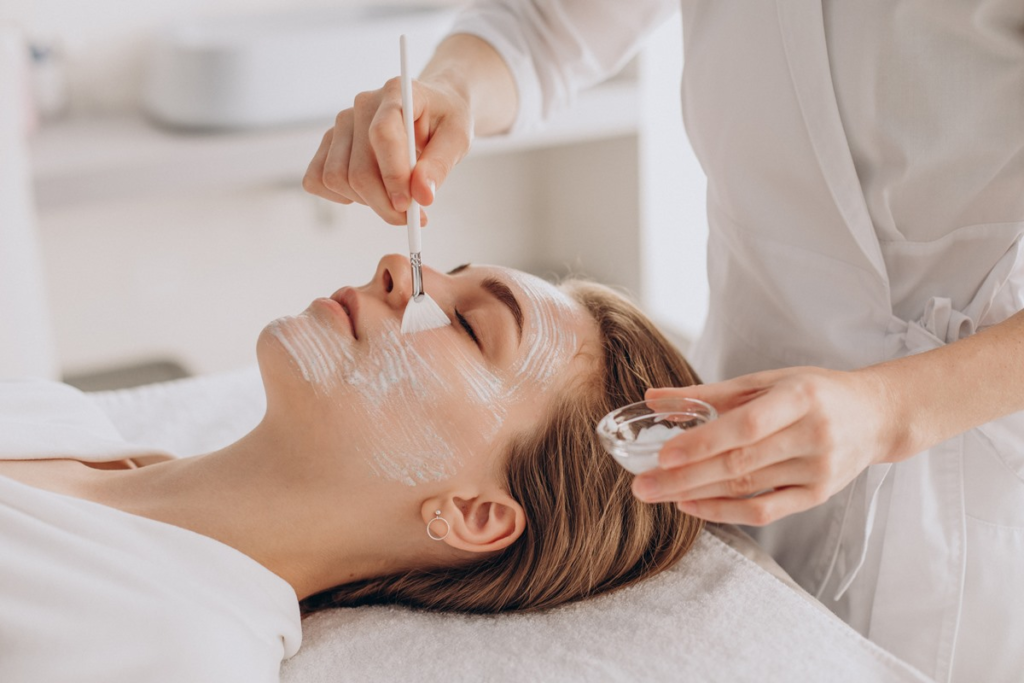
Acne is one of the most common skin conditions worldwide, affecting millions of teenagers and adults alike. While occasional breakouts are normal, persistent or severe acne can impact confidence, cause scarring, and disrupt daily life. The good news is that modern dermatology offers a wide array of professional acne treatments that work fast, targeting acne at its root causes. From advanced clinical procedures to prescription medications, these solutions can help achieve clear, healthy skin in a fraction of the time compared to over-the-counter options.
In this comprehensive guide, we’ll explore the most effective professional acne treatments, how they work, their benefits, and what to expect from each. Whether you struggle with inflammatory acne, cystic acne, or stubborn blackheads, you’ll find actionable insights here to fast-track your skin’s healing process.
Understanding Acne: Causes and Types
Before diving into professional treatments, it’s essential to understand why acne occurs and the different types you may experience. Acne develops when hair follicles become clogged with oil (sebum), dead skin cells, and bacteria. Several factors contribute to acne formation, including:
- Hormonal fluctuations – Often during puberty, menstruation, pregnancy, or due to polycystic ovary syndrome (PCOS).
- Excess sebum production – Overactive sebaceous glands can clog pores and trigger breakouts.
- Bacterial growth – Cutibacterium acnes (formerly Propionibacterium acnes) multiplies in blocked follicles, causing inflammation.
- Genetics – Family history plays a significant role in acne susceptibility.
- Lifestyle and diet – High glycemic foods, stress, and inadequate skincare can exacerbate acne.
Common Types of Acne
- Comedonal Acne – Characterized by blackheads and whiteheads, caused by clogged pores.
- Inflammatory Acne – Red, swollen pimples or papules that can be painful.
- Cystic Acne – Severe acne forming deep, pus-filled cysts that often require medical intervention.
- Hormonal Acne – Typically appears around the jawline and chin, linked to hormonal imbalances.
Understanding your acne type helps dermatologists choose the most effective treatment plan.
Professional Acne Treatments That Work Fast
Professional acne treatments differ from at-home remedies because they involve medical-grade ingredients, advanced technology, and supervised protocols that provide faster, more visible results. Here are the most effective options:
1. Prescription Topical Treatments
Prescription-strength topical treatments are the first line of defense against moderate to severe acne. Unlike over-the-counter options, these formulas contain higher concentrations of active ingredients.
- Topical Retinoids (Tretinoin, Adapalene, Tazarotene)
Retinoids are vitamin A derivatives that unclog pores, reduce inflammation, and stimulate cell turnover. They work best for comedonal acne and help prevent future breakouts. Prescription-strength retinoids are more potent than over-the-counter versions, delivering faster results.
How to use: Apply a pea-sized amount once daily at night. Start slowly to minimize irritation.
Expected results: Noticeable improvement in 4–8 weeks. - Topical Antibiotics (Clindamycin, Erythromycin)
These reduce bacterial growth and inflammation in acne lesions. Often combined with benzoyl peroxide to prevent antibiotic resistance.
How to use: Apply twice daily, preferably in combination with a retinoid.
Expected results: Improvement in inflammatory acne within 2–4 weeks. - Benzoyl Peroxide (High-Strength 5–10%)
A powerful antibacterial agent that kills acne-causing bacteria and exfoliates the skin. High concentrations are typically used under dermatologic supervision for rapid results.
Tips: Start with lower concentrations to avoid dryness and irritation.
2. Oral Medications for Fast-Acting Results
For moderate to severe acne, dermatologists often prescribe oral medications that target acne systemically.
- Oral Antibiotics (Doxycycline, Minocycline, Erythromycin)
These antibiotics reduce bacterial growth and inflammation from within. They are typically used short-term to prevent resistance.
Expected results: Significant reduction in inflammatory lesions within 6–8 weeks. - Oral Retinoids (Isotretinoin)
Considered the gold standard for severe, cystic acne, isotretinoin targets all acne causes: it reduces sebum production, prevents clogged pores, and diminishes bacteria.
Important: Must be prescribed and monitored by a dermatologist due to potential side effects.
Results: Often clears acne in 4–6 months, sometimes permanently. - Hormonal Treatments (Oral Contraceptives, Spironolactone)
Ideal for adult women with hormonal acne, these medications regulate androgen levels, reducing breakouts along the jawline and chin.

3. In-Office Procedures for Immediate Improvement
For those seeking rapid, visible results, in-office treatments performed by dermatologists or licensed professionals can drastically reduce acne and improve skin texture.
a) Chemical Peels
Chemical peels involve applying acids to exfoliate the top layer of skin, unclog pores, and reduce acne lesions.
- Types: Glycolic acid, salicylic acid, trichloroacetic acid (TCA).
- Benefits: Fast reduction in inflammatory and comedonal acne, brightened skin tone, and improved texture.
- Frequency: Typically every 2–4 weeks for optimal results.
Tip: Peels work best in combination with prescription topicals for long-term acne management.
b) Laser and Light-Based Therapies
Laser treatments target bacteria, reduce oil production, and promote collagen remodeling for faster healing.
- Blue Light Therapy: Kills acne-causing bacteria and reduces inflammation.
- Pulsed Dye Laser (PDL): Minimizes redness and treats inflammatory acne.
- Fractional Laser Resurfacing: Helps with acne scars while reducing active breakouts.
Expected results: Noticeable improvement after 2–4 sessions, with minimal downtime.
c) Extraction and Drainage Procedures
For cystic or severe acne, dermatologists may perform manual extractions or drain cysts to reduce pain, prevent scarring, and speed up healing.
Warning: Should only be done by professionals to avoid infection or permanent scarring.
4. Combination Treatments for Accelerated Results
Often, the fastest and most effective acne clearance is achieved through a combination of treatments:
- Prescription topicals + oral medications
Tackles acne from both the surface and internally. - Chemical peels + prescription retinoids
Exfoliates dead skin while preventing new blockages. - Laser therapy + hormonal therapy
Targets stubborn, cystic, or hormonal acne efficiently.
Dermatologists tailor combination therapy based on acne severity, skin type, and patient goals.
Supporting Your Professional Acne Treatment at Home
Even the fastest in-office treatments require diligent at-home care to maintain results and prevent recurrence.
- Gentle Cleansing – Use a mild, non-comedogenic cleanser twice daily to remove excess oil and impurities without stripping the skin.
- Moisturizing – Choose a lightweight, oil-free moisturizer to prevent dryness and irritation from prescription treatments.
- Sun Protection – Use broad-spectrum SPF 30+ daily. Sun exposure can worsen acne scars and hyperpigmentation.
- Avoid Picking or Squeezing – This can lead to scarring and infection.
- Consistent Treatment Routine – Follow your dermatologist’s plan consistently; stopping early can cause breakouts to return.
Myths About Fast-Acting Acne Treatments
Many patients expect instant results and may fall for common myths:
- Myth: Expensive over-the-counter products work faster than professional treatments.
Fact: OTC products have lower active ingredient concentrations; professional treatments deliver faster, clinically-proven results. - Myth: All acne treatments work the same for everyone.
Fact: Acne is highly individual. Hormonal, cystic, and comedonal acne require different approaches. - Myth: Acne clears up overnight with laser or chemical peels.
Fact: While improvement can be rapid, full clearance takes weeks or months, depending on severity.

Choosing the Right Professional Acne Treatment
Selecting the best treatment requires consultation with a licensed dermatologist. Factors to consider:
- Severity and Type of Acne – Mild acne may respond to topicals, while severe cystic acne may require oral retinoids or laser therapy.
- Skin Sensitivity – Sensitive skin may benefit from lower-strength acids or gradual introduction of retinoids.
- Lifestyle and Goals – Consider downtime, cost, and how aggressive you want the treatment to be.
- Underlying Causes – Hormonal imbalances, diet, or stress may influence your treatment plan.
Pros and Cons of Professional Acne Treatments
| Treatment Type | Pros | Cons |
| Prescription Topicals | Clinically proven, effective for many acne types | Can cause dryness, irritation, requires consistency |
| Oral Antibiotics | Rapid reduction in inflammatory acne | Risk of antibiotic resistance, gastrointestinal side effects |
| Oral Retinoids (Isotretinoin) | Can permanently clear severe acne | Requires strict monitoring, potential side effects |
| Hormonal Treatments | Excellent for adult female hormonal acne | Not suitable for men, requires medical supervision |
| Chemical Peels | Immediate improvement, brightens skin | Mild redness, peeling, temporary downtime |
| Laser Therapy | Reduces inflammation and scars, fast results | High cost, multiple sessions needed |
| Extraction Procedures | Quick relief for cysts | Risk of scarring if not done professionally |
Long-Term Acne Management
Even after rapid clearance, maintaining results requires:
- Regular dermatologist follow-ups – Adjust treatments as needed.
- Healthy lifestyle habits – Balanced diet, hydration, stress management.
- Consistent skincare routine – Cleanse, moisturize, and protect skin daily.
- Avoiding triggers – Certain cosmetics, diet, or hormonal fluctuations.
Professional treatments can work fast, but a holistic approach ensures long-term success.
Acne doesn’t have to control your life. With the right combination of professional acne treatments that work fast, anyone can achieve clear, healthy skin. From prescription topicals to oral medications, chemical peels, and laser therapies, there are options tailored to every skin type and acne severity.
Consulting with a dermatologist is crucial to determine the fastest, safest, and most effective plan for you. By combining professional treatment with proper at-home care, you can stop breakouts, prevent scarring, and restore your confidence – faster than you ever imagined.