Acne is one of the most common skin concerns in the world, affecting teenagers and adults alike. If you struggle with breakouts, clogged pores, and inflamed skin, you likely have acne-prone skin. While the internet is full of skincare advice, dermatologists emphasize that treating acne effectively requires the right combination of science-based skincare, lifestyle habits, and consistency.
In this comprehensive guide, we will explore dermatologist tips for acne-prone skin, including the best ingredients, skincare routines, and habits that help prevent breakouts. Whether you deal with occasional pimples or persistent acne, these expert-backed strategies can help you achieve healthier, clearer skin.
What Is Acne-Prone Skin?
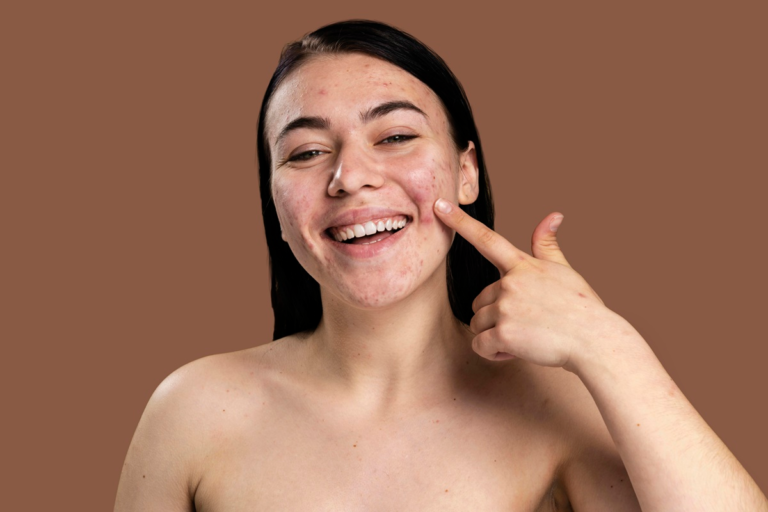
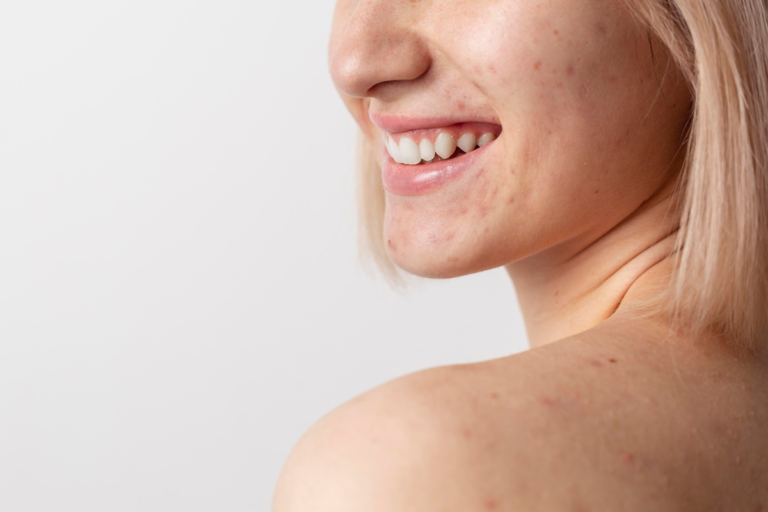
Acne-prone skin is skin that easily develops blackheads, whiteheads, pimples, or cystic acne. It occurs when pores become clogged with excess oil (sebum), dead skin cells, and bacteria.
Common signs of acne-prone skin include:
- Frequent breakouts
- Enlarged pores
- Oily or combination skin
- Blackheads and whiteheads
- Red or inflamed pimples
- Post-acne marks or scars
Dermatologists explain that acne is caused by several factors working together:
- Excess oil production
- Clogged hair follicles
- Acne-causing bacteria
- Hormonal fluctuations
- Inflammation
Because multiple factors contribute to acne, effective treatment requires a targeted skincare routine and proper ingredients.
Dermatologist Tips for Acne-Prone Skin
Below are the most important dermatologist-recommended strategies for managing acne-prone skin.
1. Use a Gentle Cleanser for Acne-Prone Skin
One of the most important skincare steps is choosing the right cleanser for acne-prone skin. Many people believe harsh scrubbing helps remove acne, but dermatologists warn that aggressive cleansing can damage the skin barrier and worsen breakouts.
Look for a gentle, non-comedogenic cleanser that removes excess oil without stripping the skin.
Key ingredients dermatologists recommend include:
- Salicylic acid
- Benzoyl peroxide
- Zinc
- Niacinamide
Cleanse your face twice a day – morning and evening – to remove oil, bacteria, sunscreen, and makeup.
Avoid:
- Harsh scrubs
- Alcohol-based cleansers
- Overwashing the skin
Gentle cleansing helps maintain the skin’s natural balance and prevents irritation that can trigger more acne.
2. Choose Non-Comedogenic Skincare Products
When shopping for skincare or makeup, dermatologists recommend choosing non-comedogenic products for acne-prone skin.
Non-comedogenic products are specifically formulated not to clog pores, making them ideal for people who break out easily.
Look for labels that say:
- Non-comedogenic
- Oil-free
- Won’t clog pores
- Dermatologist tested
Products that often trigger acne include:
- Heavy creams
- Thick oils
- Silicone-rich primers
- Greasy sunscreens
Switching to lightweight formulas can significantly reduce breakouts.

3. Add Salicylic Acid to Your Routine
Salicylic acid is one of the best dermatologist-recommended ingredients for acne-prone skin.
It is a beta hydroxy acid (BHA) that penetrates deep into the pores and dissolves oil buildup.
Benefits of salicylic acid:
- Unclogs pores
- Reduces blackheads and whiteheads
- Exfoliates dead skin cells
- Controls excess oil
- Prevents new breakouts
Salicylic acid can be found in:
- Cleansers
- Toners
- Serums
- Spot treatments
For most people with acne-prone skin, 0.5% to 2% salicylic acid works well without excessive irritation.
4. Use Benzoyl Peroxide to Kill Acne Bacteria
Dermatologists often recommend benzoyl peroxide for inflammatory acne.
This powerful ingredient works by killing acne-causing bacteria and reducing inflammation.
Benefits include:
- Reduces red pimples
- Prevents bacterial growth
- Clears existing acne faster
Benzoyl peroxide products typically range from 2.5% to 10% strength.
Many dermatologists suggest starting with lower concentrations, which can be just as effective while causing less irritation.
Because benzoyl peroxide can be drying, it is best used:
- As a spot treatment
- In a targeted acne cleanser
- Combined with a good moisturizer
5. Never Skip Moisturizer (Even if You Have Oily Skin)
A common myth is that acne-prone skin should avoid moisturizers. Dermatologists strongly disagree.
Skipping moisturizer can actually increase oil production, leading to more clogged pores and breakouts.
The key is choosing the right moisturizer for acne-prone skin.
Look for lightweight formulas containing:
- Hyaluronic acid
- Glycerin
- Ceramides
- Niacinamide
These ingredients hydrate the skin without clogging pores.
Gel or water-based moisturizers are often ideal for oily or acne-prone skin types.
6. Always Wear Sunscreen
Sun protection is essential, especially when treating acne.
Many acne treatments – including retinoids, salicylic acid, and benzoyl peroxide – can make skin more sensitive to the sun.
Without sunscreen, acne-prone skin may develop:
- Dark spots
- Post-inflammatory hyperpigmentation
- Long-term skin damage
Dermatologists recommend broad-spectrum SPF 30 or higher every day.
For acne-prone skin, choose sunscreens that are:
- Oil-free
- Lightweight
- Non-comedogenic
- Gel-based or fluid formulas
Daily sunscreen helps protect healing skin and prevents acne marks from becoming darker.
7. Use Retinoids to Prevent Clogged Pores
Retinoids are one of the most effective dermatologist treatments for acne-prone skin.
They work by:
- Increasing skin cell turnover
- Preventing clogged pores
- Reducing inflammation
- Improving skin texture
Common retinoids include:
- Retinol
- Adapalene
- Tretinoin (prescription)
Over-the-counter adapalene gels are widely recommended for treating mild to moderate acne.
However, retinoids can cause dryness when first introduced, so dermatologists suggest:
- Starting 2–3 times per week
- Using a moisturizer
- Applying sunscreen daily
With consistent use, retinoids can significantly improve acne-prone skin.
8. Avoid Touching or Picking Pimples
Dermatologists strongly warn against picking or popping pimples.
Although it may be tempting, touching acne can:
- Push bacteria deeper into the skin
- Increase inflammation
- Cause scarring
- Spread bacteria to nearby pores
Instead of picking, use targeted spot treatments with:
- Benzoyl peroxide
- Sulfur
- Salicylic acid
Hydrocolloid acne patches are also helpful for protecting pimples and speeding healing.
9. Exfoliate Carefully
Exfoliation can help acne-prone skin by removing dead skin cells that clog pores.
However, over-exfoliating can cause irritation and worsen acne.
Dermatologists recommend chemical exfoliation instead of harsh scrubs.
Gentle exfoliating ingredients include:
- Salicylic acid
- Lactic acid
- Mandelic acid
- Azelaic acid
Exfoliating 1–3 times per week is usually enough for most acne-prone skin types.
Avoid:
- Abrasive scrubs
- Daily physical exfoliation
- Overusing acids
Balanced exfoliation helps keep pores clear without damaging the skin barrier.
10. Keep Your Skincare Routine Simple
Many people with acne-prone skin use too many products at once, which can irritate the skin.
Dermatologists recommend a simple routine:
Morning routine:
- Gentle cleanser
- Lightweight moisturizer
- Sunscreen
Evening routine:
- Cleanser
- Acne treatment (retinoid or benzoyl peroxide)
- Moisturizer
Consistency matters more than using dozens of products.
11. Watch Out for Acne-Triggering Ingredients
Certain ingredients can worsen acne in sensitive individuals.
Common pore-clogging ingredients include:
- Coconut oil
- Cocoa butter
- Lanolin
- Heavy silicones
- Mineral oil in thick formulas
If you notice breakouts after using a new product, stop using it and observe whether your skin improves.
Patch testing new products is always recommended.
12. Maintain Healthy Lifestyle Habits
Dermatologists emphasize that skincare alone is not always enough. Lifestyle habits also play a role in acne development.
Helpful habits include:
Balanced diet
Some studies suggest that high-glycemic foods and excessive dairy consumption may worsen acne in certain people.
Focus on:
- Whole foods
- Fruits and vegetables
- Omega-3 fatty acids
- Low-glycemic carbohydrates
Stress management
Stress can increase hormone levels that stimulate oil production.
Practices such as:
- Exercise
- Meditation
- Sleep
- Relaxation techniques
can help support healthier skin.
Clean pillowcases and phone screens
Bacteria and oil accumulate on everyday objects.
Dermatologists recommend:
- Changing pillowcases twice per week
- Cleaning phone screens regularly
- Avoiding touching the face frequently
13. Consider Professional Dermatology Treatments
If over-the-counter treatments do not work, dermatologists offer more advanced options.
Professional acne treatments may include:
- Prescription retinoids
- Oral antibiotics
- Hormonal therapy
- Chemical peels
- Laser or light treatments
- Isotretinoin for severe acne
A dermatologist can evaluate your skin and design a treatment plan tailored to your specific type of acne.
Sample Dermatologist-Approved Routine for Acne-Prone Skin
Here is a simple daily routine dermatologists often recommend:
Morning
- Gentle acne cleanser
- Niacinamide or hydrating serum
- Lightweight moisturizer
- Oil-free sunscreen SPF 30+
Evening
- Cleanser
- Retinoid or salicylic acid treatment
- Moisturizer
Optional weekly treatments:
- Clay mask
- Chemical exfoliation
- Acne spot treatment
Consistency is key. Most acne treatments require 4–12 weeks before noticeable improvement occurs.
Managing acne-prone skin requires patience, the right ingredients, and consistent skincare habits. Dermatologists emphasize that the most effective approach includes gentle cleansing, targeted acne treatments, proper hydration, and sun protection.
By following dermatologist tips for acne-prone skin – such as using salicylic acid, retinoids, non-comedogenic products, and avoiding pore-clogging ingredients – you can significantly reduce breakouts and improve your skin’s overall health.
If acne persists despite good skincare, consulting a dermatologist can provide access to professional treatments that deliver faster and longer-lasting results.
With the right routine and expert guidance, achieving clearer, healthier skin is absolutely possible.