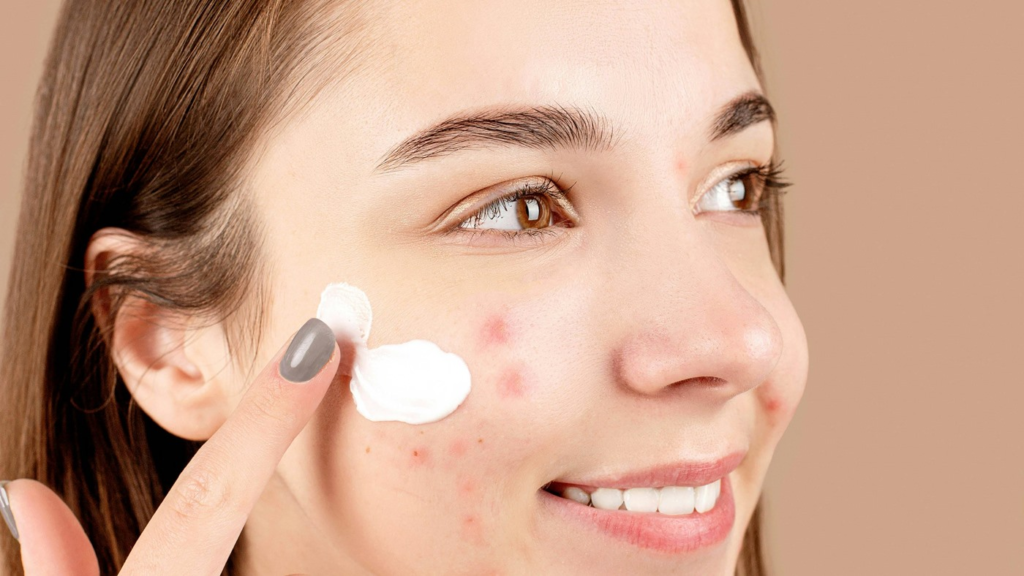
Acne is one of the most common skin concerns worldwide, affecting teenagers and adults alike. While cleansers, exfoliants, and lifestyle changes all play a role in acne management, vitamin A derivatives remain the gold standard in acne treatment.
But one question continues to confuse patients and even skincare beginners:
Is retinol or retinoid better for acne?
Although these terms are often used interchangeably, they are not the same, and choosing the right one can make a significant difference in results, side effects, and long-term skin health.
In this in-depth guide, we’ll break down:
- What retinol and retinoids actually are
- How each works on acne-prone skin
- Which type is best for different forms of acne
- Side effects, skin tolerance, and safety
- How to choose the right option for your skin type
Understanding Acne: Why Retinoids Matter
Before comparing retinol and retinoids, it’s important to understand how acne forms.
Acne develops due to a combination of:
- Excess oil (sebum) production
- Clogged pores (hyperkeratinization)
- Acne-causing bacteria (Cutibacterium acnes)
- Inflammation
Retinoids are one of the few ingredients that target all major acne triggers, which is why dermatologists rely on them for both active acne and prevention.

What Are Retinoids?
Retinoids is the umbrella term for all vitamin A derivatives used in skincare and medicine.
They work by:
- Increasing cell turnover
- Preventing dead skin cells from clogging pores
- Reducing inflammation
- Regulating oil production
- Improving skin texture and tone
Types of Retinoids
Retinoids vary greatly in strength and availability:
- Prescription retinoids
- Tretinoin (Retin-A)
- Adapalene (Differin – now OTC in many countries)
- Tazarotene
- Tretinoin (Retin-A)
- Over-the-counter retinoids
- Retinol
- Retinaldehyde (retinal)
- Retinyl esters
- Retinol
All retinoids ultimately convert into retinoic acid, the active form that works inside the skin. The difference lies in how many conversion steps are required.
What Is Retinol?
Retinol is a milder, over-the-counter form of vitamin A.
Before it becomes active in the skin, retinol must go through two conversion steps:
- Retinol → retinaldehyde
- Retinaldehyde → retinoic acid
Because of this gradual conversion, retinol is:
- Less irritating
- Slower to show results
- Easier to tolerate for beginners
What Is a Prescription Retinoid?
Prescription retinoids (such as tretinoin or adapalene) are already in an active or near-active form, meaning they work faster and more powerfully.
They:
- Penetrate deeper into the skin
- Produce quicker and more dramatic acne improvement
- Have stronger clinical evidence for moderate to severe acne
However, they also come with a higher risk of irritation, dryness, and peeling.
Retinol vs Retinoid: Key Differences at a Glance
| Feature | Retinol | Retinoids |
| Availability | Over-the-counter | Prescription (some OTC adapalene) |
| Strength | Mild to moderate | Moderate to very strong |
| Speed of results | Slow (8–12 weeks) | Faster (4–8 weeks) |
| Irritation risk | Lower | Higher |
| Best for | Mild acne, sensitive skin | Moderate to severe acne |
| Medical supervision | Not required | Recommended |
How Retinol Helps With Acne
Retinol is often underestimated when it comes to acne, but it can be highly effective—especially for adult acne and comedonal acne.
Benefits of Retinol for Acne
- Prevents clogged pores
- Reduces blackheads and whiteheads
- Improves post-acne texture
- Fades post-inflammatory hyperpigmentation
- Improves overall skin quality
Who Should Choose Retinol?
Retinol is ideal for:
- Mild acne
- Adult or hormonal acne
- Sensitive or reactive skin
- Acne combined with early signs of aging
- First-time retinoid users
For many patients, retinol offers a balance between effectiveness and tolerability.
How Prescription Retinoids Treat Acne
Prescription retinoids are considered the cornerstone of medical acne treatment.
Benefits of Retinoids for Acne
- Clear existing breakouts faster
- Prevent new acne lesions
- Reduce inflammation
- Improve skin thickness and collagen over time
- Treat acne at a cellular level
Who Should Use Prescription Retinoids?
They are best for:
- Moderate to severe acne
- Inflammatory acne (papules, pustules)
- Cystic acne
- Acne resistant to cosmetic treatments
Dermatologists often combine retinoids with:
- Benzoyl peroxide
- Antibiotics
- Azelaic acid
Retinol or Retinoid for Different Types of Acne
Closed Comedones (Whiteheads)
- Best choice: Retinol or adapalene
- Retinol works well for gradual pore clearing with minimal irritation
Blackheads
- Best choice: Retinol for maintenance, retinoids for faster results
Inflammatory Acne
- Best choice: Prescription retinoids
- Retinol alone may not be strong enough
Hormonal Acne
- Best choice: Retinol for mild cases, retinoids for persistent breakouts
Adult Acne With Aging Concerns
- Best choice: Retinol
- Provides acne control while improving fine lines and texture
Side Effects: What to Expect
Common Side Effects of Retinol
- Mild dryness
- Slight peeling
- Temporary redness
These effects usually subside within 2–4 weeks.
Common Side Effects of Retinoids
- Intense peeling
- Redness and burning
- Skin sensitivity
- Initial acne flare (purging)
This is known as retinization and typically improves with consistent use.
Retinol vs Retinoid Purging: Is It Normal?
Yes – both retinol and retinoids can cause purging, especially in acne-prone skin.
Purging occurs because:
- Cell turnover accelerates
- Existing micro-comedones surface faster
How Long Does Purging Last?
- Retinol: 2–4 weeks
- Retinoids: 4–6 weeks
If breakouts worsen beyond 8 weeks, reassessment is recommended.
Can Retinol Replace Prescription Retinoids?
For mild acne, yes – retinol can be sufficient.
For moderate to severe acne, retinol alone is usually not enough and should not replace medical treatment.
However, many professionals use this strategy:
- Start with retinol to build tolerance
- Transition to prescription retinoids if needed
How to Use Retinol or Retinoids Safely for Acne
General Rules
- Use at night only
- Start 2–3 times per week
- Apply to dry skin
- Use a pea-sized amount
- Always wear sunscreen during the day
Moisturizer Sandwich Method
- Light moisturizer
- Retinol or retinoid
- Moisturizer again
This technique reduces irritation without compromising results.
Retinol, Retinoids, and Sun Sensitivity
All vitamin A derivatives increase photosensitivity.
Daily SPF is non-negotiable, even on cloudy days. Without sunscreen:
- Acne marks darken
- Skin barrier weakens
- Results are compromised
Which One Is Better for Acne: Final Verdict
There is no universal “better” option – only the right choice for your skin.
Choose Retinol If:
- You have mild to moderate acne
- Your skin is sensitive
- You want anti-aging benefits
- You prefer gradual improvement
Choose Retinoids If:
- Acne is persistent or severe
- Inflammatory lesions are present
- You need faster clinical results
- You are under professional supervision
Professional Insight
In clinical practice, many acne patients achieve the best long-term results by:
- Starting with retinol
- Progressing to stronger retinoids if needed
- Using consistent skincare and sun protection
Acne treatment is not about aggression – it’s about consistency, tolerance, and personalization.
Retinol and retinoids are not competitors – they are part of the same therapeutic family. Understanding their differences allows both professionals and patients to choose the most effective and skin-friendly approach.