Niacinamide, also known as vitamin B3, has become one of the most discussed ingredients in modern skincare. For people dealing with acne, it is often presented as a gentle alternative to stronger actives like retinoids or benzoyl peroxide.
But along with real benefits, there are many misunderstandings about what niacinamide can and cannot do. Let’s break down the science, common mistakes, and popular myths surrounding this multitasking ingredient.
What Makes Acne Skin Different
Acne-prone skin is typically characterized by excess sebum production, impaired barrier function, inflammation, and the overgrowth of Cutibacterium acnes bacteria. Effective acne care requires ingredients that address several of these factors at once without causing additional irritation. This is exactly where niacinamide stands out: it works on oil regulation, redness, and skin resilience simultaneously.
Proven Benefits of Niacinamide for Acne
1. Regulates Sebum Production
One of the main triggers of acne is overly active sebaceous glands. Multiple studies show that niacinamide at concentrations of 2–5% can reduce the amount of surface oil after several weeks of use. Less sebum means fewer clogged pores and a lower chance of new breakouts. Unlike harsh drying agents, niacinamide balances oil without dehydrating the skin.
2. Reduces Inflammation and Redness
Acne is not only a bacterial issue—it is an inflammatory condition. Niacinamide decreases the release of pro-inflammatory mediators in the skin, helping papules heal faster and making cystic lesions less painful. Many users notice calmer, less flushed skin within 10–14 days.
3. Strengthens the Skin Barrier
A damaged barrier allows irritants and microbes to penetrate more easily, worsening acne. Niacinamide boosts the synthesis of ceramides and free fatty acids in the epidermis. Stronger barrier function leads to better tolerance of other treatments such as salicylic acid or retinol.
4. Helps with Post-Acne Marks
After pimples heal, they often leave dark spots (PIH) or persistent pink traces (PIE). Niacinamide interferes with the transfer of melanin to keratinocytes, gradually brightening hyperpigmentation. It will not erase scars, but it can make the overall complexion more even.
5. Compatible with Sensitive Skin
Many acne sufferers cannot tolerate high-strength retinoids or acids. Niacinamide is generally well accepted by sensitive, rosacea-prone, and even teenage skin. It can be used during pregnancy when several classic acne actives are restricted.
6. Works Well with Other Actives
Dermatologists value niacinamide as a team player. It enhances the efficacy of zinc, azelaic acid, and BHA while lowering irritation risk. This flexibility makes it easy to include in both minimalist and advanced routines.

Mistakes That Make Niacinamide “Not Work”
Even the best ingredient can disappoint when used incorrectly. Here are the most frequent errors.
Mistake 1: Starting Too High
Today you can find serums with 10%, 15%, even 20% niacinamide. More is not always better. For acne, the sweet spot is usually 3–5%. Higher percentages may provoke burning, flushing, and paradoxical breakouts due to irritation.
Mistake 2: Expecting Overnight Results
Niacinamide acts gradually. Oil reduction requires around 4 weeks, and improvement in inflammatory acne 6–8 weeks. If you quit after a few days because nothing happens, you never reach the therapeutic window.
Mistake 3: Mixing with Everything at Once
Combining a strong 10% serum with benzoyl peroxide, retinol, and peeling toners on day one can wreck the barrier. Introduce one new active at a time and keep the rest of the routine gentle.
Mistake 4: Ignoring the Formula pH
Niacinamide itself is stable in a wide pH range, but extreme acidity (pH below 3) can convert part of it to nicotinic acid, which causes intense flushing. Using it right after aggressive acid peels is not ideal.
Mistake 5: Using Only as a Spot Treatment
This ingredient is designed for whole-face application. Dabbling it only on individual pimples will not control sebum or micro-comedones in surrounding pores.
Mistake 6: Layering Too Many Niacinamide Products
Cleanser 5% + toner 5% + serum 10% + cream 4% can easily exceed what your skin needs. Choose one key product and let others be supportive rather than duplicated.
Mistake 7: Forgetting Sunscreen
When you treat acne, UV exposure darkens post-acne marks. Niacinamide can brighten them, but without daily SPF you are taking two steps forward and one back.
Myths and Facts About Niacinamide
Myth 1: Niacinamide Cures Acne Alone
Fact: It is an excellent supportive active, but moderate to severe acne usually needs targeted treatments—benzoyl peroxide for bacteria, BHA for comedones, or retinoids for cell turnover. Think of niacinamide as a foundation, not the entire building.
Myth 2: It Cannot Be Used with Vitamin C
Fact: This old belief came from poorly designed experiments in the 1960s. Modern stabilized forms of vitamin C can be safely combined with niacinamide, especially when applied in different textures or at different times of day.
Myth 3: 10% Is the Gold Standard
Fact: Clinical comparisons show similar benefits at 4% and 10%, while irritation risk rises sharply with higher strengths. The best percentage is the one your skin tolerates daily.
Myth 4: Niacinamide Causes Breakouts
Fact: The molecule is non-comedogenic. Breakouts after starting are typically due to fragrance, solvents, or mixing with too many harsh actives.
Myth 5: It Replaces Benzoyl Peroxide
Fact: Niacinamide has mild antimicrobial properties but is far weaker against C. acnes than benzoyl peroxide. Do not substitute prescribed therapy without consulting a professional.
Myth 6: It Shrinks Pores Permanently
Fact: Pores do not have muscles to close. Niacinamide makes them appear smaller by reducing oil and improving elasticity, but genetics and age still matter.
Myth 7: It Removes Acne Scars
Fact: It cannot remodel deep atrophic scars. Procedures like microneedling, TCA cross, or lasers are required for structural damage.
Myth 8: Flushing Means Allergy
Fact: Short-term warmth can occur, especially in high percentages, and does not always indicate allergy. True allergic dermatitis includes itching, swelling, and rash that persist.
How to Use Niacinamide in an Acne Routine
Beginner routine
- Gentle cleanser
- 3–5% niacinamide serum (once daily)
- Light moisturizer
- SPF in the morning
Routine for comedonal acne
- Cleanser
- Salicylic acid toner 2% (3 times/week)
- Niacinamide 5%
- Moisturizer
Routine for inflammatory acne
- Cleanser
- Benzoyl peroxide 2.5% gel (mornings)
- Niacinamide 5% (evenings)
- Barrier-repair cream
- SPF
During professional peels
- Use niacinamide on non-peel days
- Avoid applying immediately after acids with very low pH
- Keep hydration high
Recommended Products:
- Babor Skinovage Purifying Serum – contains niacinamide in a balanced mid-range concentration with willow bark extract. This combination targets oiliness and visible redness, making it suitable for mild inflammatory acne.
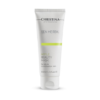
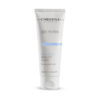
- Paula’s Choice 10% Niacinamide Booster – a flexible fragrance-free formula that can be mixed with moisturizers. It is particularly helpful for adult acne accompanied by enlarged pores and uneven texture.
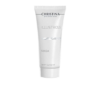
- Christina Comodex Mattify & Protect Cream – includes niacinamide and zinc to support antimicrobial strategies. The cream helps maintain comfort when benzoyl peroxide or BHA is part of the routine.
- Paula’s Choice Clear Oil-Free Moisturizer – provides light hydration with a gentle dose of niacinamide. Good for sensitive acne-prone skin that reacts to heavier textures.
- Babor Doctor Babor Repair Balancing Toner – combines niacinamide with panthenol to normalize pH after cleansing. Helps reduce irritation-related breakouts and post-acne pink marks.
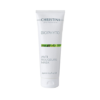
- Christina Bio Phyto Seb-Adjustor – niacinamide with azelaic-style botanicals. Suitable for skin with both acne and hyperpigmentation tendencies.
- Paula’s Choice Resist 5% Niacinamide Emulsion – mid-strength option for drier skin types and mature users. Supports barrier health during long-term acne programs.
- Babor Cleanformance Phyto Niacinamide Serum – plant-based complex with niacinamide for beginners. Works for teenage and easily sensitized skin.
- The Ordinary 5% Niacinamide + Zinc 1% – an affordable minimalist formula without added fragrance. Helps control micro-comedones and surface oil.
- Christina Unstress Probiotic Day Cream – uses niacinamide alongside probiotics to reinforce resilience. Beneficial when acne worsens due to barrier damage and stress.
Who Should Be Careful
Although gentle, niacinamide may not suit everyone:
- people using extremely high-strength acid programs
- individuals with active eczema flares
- those who experienced true allergy to vitamin B3 derivatives
A patch test and conservative start are always wise.
Final Thoughts
Niacinamide deserves its reputation in acne care. It regulates oil, calms inflammation, and rebuilds the barrier – three critical needs of breakout-prone skin. At the same time, it is surrounded by exaggerated claims and outdated fears. Used in reasonable concentrations and with realistic expectations, niacinamide can become one of the most reliable steps on the road to clearer, healthier skin.
Affiliate Links Disclaimer: The product mentions in this article may include affiliate links. The author may earn a small commission from qualifying purchases, at no extra cost to the reader. Recommendations are based solely on ingredient composition, concentration logic, and suitability for acne-prone skin, and are not influenced by any brand partnerships.