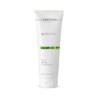
Cleansing is the foundation of any effective skincare routine. A proper cleanser removes dirt, makeup, excess sebum, and environmental pollutants, preparing the skin for treatments, serums, and moisturizers. Using the wrong cleanser can damage the skin barrier, cause dryness, irritation, breakouts, and accelerate aging.
Your skin type plays a key role in selecting the most suitable cleanser. Every skin type – normal, oily, dry, combination, or sensitive – requires a different approach. In this guide, we’ll explore how to identify your skin type, understand the types of cleansers, and choose the best formulas to achieve healthy, radiant skin.
Step 1: Identify Your Skin Type
Before selecting a cleanser, determine your skin type. This ensures you choose a formula that addresses your unique needs.
Normal Skin: Balanced, soft, not too oily or dry. Pores are barely visible.
Oily Skin: Shiny appearance, prone to breakouts, enlarged pores, excess sebum.
Dry Skin: Tight, flaky, rough, sometimes itchy or irritated.
Combination Skin: Oily in the T-zone (forehead, nose, chin), dry or normal elsewhere.
Sensitive Skin: Redness, stinging, irritation, or easily reactive to new products.
Pro Tip: Test your skin by gently washing your face and observing it over the next 2–4 hours. If your skin feels tight, it may be dry; if it becomes shiny, it’s likely oily.
Step 2: Understand the Types of Cleansers
Different cleansers serve different purposes. Knowing their benefits helps you pick the right one.
1. Gel Cleansers
- Best for: Oily and combination skin.
- Benefits: Removes excess oil, unclogs pores, reduces shine without over-drying.
- Ingredients to look for: Salicylic acid, glycolic acid, tea tree oil.
- Example Products:
- Babor Clarifying Gel: Reduces oil and purifies pores, gentle formula.
- La Roche-Posay Effaclar Gel: Helps control shine and acne-prone skin.
- Babor Clarifying Gel: Reduces oil and purifies pores, gentle formula.
2. Cream Cleansers
- Best for: Dry and sensitive skin.
- Benefits: Hydrates while cleansing, preserves the skin barrier, reduces irritation.
- Ingredients to look for: Ceramides, hyaluronic acid, aloe vera.
- Example Products:
- Babor Replenishing Cream Cleanser: Deeply hydrates and calms.
- CeraVe Hydrating Cleanser: Maintains moisture balance, soothes dry skin.
- Babor Replenishing Cream Cleanser: Deeply hydrates and calms.
3. Foam Cleansers
- Best for: Oily and combination skin.
- Benefits: Deep cleansing, removes makeup and impurities.
- Tip: Follow with a moisturizer to prevent dryness.
- Example Products:
- Clinique Liquid Facial Soap: Gentle foaming, balances oil.
- Neutrogena Fresh Foaming Cleanser: Removes excess sebum effectively.
- Clinique Liquid Facial Soap: Gentle foaming, balances oil.
4. Oil Cleansers
- Best for: Dry, sensitive, and all skin types.
- Benefits: Dissolves makeup and sebum, prevents stripping natural oils.
- Tip: Double cleanse with a gentle gel or cream if your skin is oily.
- Example Products:
- DHC Deep Cleansing Oil: Removes stubborn makeup, nourishes skin.
- Babor Cleansing Oil: Protects skin barrier while cleansing deeply.
- DHC Deep Cleansing Oil: Removes stubborn makeup, nourishes skin.
5. Micellar Water
- Best for: Sensitive and normal skin.
- Benefits: Gentle removal of dirt and makeup, no rinsing needed.
- Tip: Ideal for travel or quick cleansing, but not for heavy sunscreen removal.
- Example Products:
- Babor Micellar Solution: Soothes skin, removes impurities without rubbing.
- Garnier Micellar Water: Gentle, fragrance-free, suitable for sensitive skin.
- Babor Micellar Solution: Soothes skin, removes impurities without rubbing.

Step 3: Choosing the Right Cleanser for Your Skin Type
Normal Skin
- Recommendation: Gel, cream, or micellar water cleansers.
- Tips: Maintain balance; avoid harsh cleansers that strip skin.
- Example Routine: Morning: Micellar water; Evening: Cream cleanser.
Oily Skin
- Recommendation: Gel or foaming cleansers with mild exfoliating ingredients.
- Tips: Avoid overly harsh formulas; they may trigger more oil production.
- Example Routine: Morning: Gel cleanser with salicylic acid; Evening: Foam cleanser.
Dry Skin
- Recommendation: Cream or oil cleansers that nourish while cleansing.
- Tips: Avoid foaming cleansers with sulfates.
- Example Routine: Morning and evening: Cream cleanser followed by moisturizer.
Combination Skin
- Recommendation: Gel or gentle foam cleansers; consider dual routine for T-zone and cheeks.
- Tips: Balance oiliness and dryness with multi-step cleansing.
- Example Routine: Morning: Gel cleanser on T-zone, cream on cheeks; Evening: Foam cleanser all over.
Sensitive Skin
- Recommendation: Micellar water, cream, or oil-based cleansers.
- Tips: Avoid fragrances, alcohol, and harsh detergents.
- Example Routine: Gentle micellar water in the morning, cream cleanser at night.
Step 4: How to Cleanse Correctly for Each Skin Type
Oily Skin
- Use lukewarm water.
- Apply gel cleanser in circular motions for 30–60 seconds.
- Rinse thoroughly and pat dry.
- Apply oil-free moisturizer.
Dry Skin
- Use cream or oil cleanser with fingertips.
- Massage gently, avoid scrubbing.
- Rinse with lukewarm water.
- Apply hydrating toner and moisturizer.
Combination Skin
- Use dual cleansing: gel on T-zone, cream on cheeks.
- Massage 60 seconds to ensure impurities are removed.
- Rinse, pat dry, and apply light moisturizer.
Sensitive Skin
- Use micellar water for morning cleanse.
- Evening: apply cream cleanser, massage gently.
- Rinse with lukewarm water, apply calming toner or serum.
Step 5: Avoiding Common Cleansing Mistakes
- Over-cleansing: Twice daily is sufficient.
- Using harsh exfoliants too frequently.
- Ignoring patch tests for new products.
- Using water that is too hot.
- Skipping moisturizer after cleansing.
Step 6: Seasonal Adjustments
- Winter: Skin tends to dry; switch to cream or oil cleansers.
- Summer: Sweat and oil increase; gel or foaming cleansers may work better.
- Travel: Micellar water is ideal for quick cleansing and hydration.
Step 7: Recommended Cleansers: Top Picks
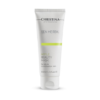
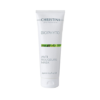
- Babor Clarifying Gel – Oily, acne-prone skin. Reduces excess oil and purifies.
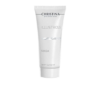
- Babor Replenishing Cream Cleanser – Dry skin. Hydrates and soothes.
- CeraVe Hydrating Cleanser – Normal to dry skin. Maintains moisture barrier.
- La Roche-Posay Effaclar Gel – Oily skin. Controls shine and prevents breakouts.
- Clinique Liquid Facial Soap – Combination skin. Balances oil.
- Neutrogena Fresh Foaming Cleanser – Oily skin. Deeply cleanses.
- DHC Deep Cleansing Oil – Dry/sensitive. Removes makeup without stripping.
- Babor Cleansing Oil – Sensitive/dry skin. Gentle, nourishing formula.
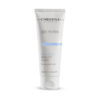
- Babor Micellar Solution – Sensitive skin. Soothes while removing dirt.
- Garnier Micellar Water – All skin types. Gentle, fragrance-free.
FAQ
Q1: Can I use the same cleanser for day and night?
A1: It depends on your skin type. Normal skin may use the same; oily or combination skin might benefit from a stronger evening cleanse.
Q2: Should I exfoliate with a cleanser?
A2: Mild exfoliating cleansers are fine 1–2 times per week. Avoid daily harsh scrubs.
Q3: Can oil cleansers cause breakouts?
A3: No, if used correctly. Double cleanse for oily skin to avoid residue.
Q4: How long should I massage the cleanser?
A4: 30–60 seconds is usually sufficient to remove impurities.
Choosing the right cleanser is essential for healthy, radiant skin. By understanding your skin type, knowing the types of cleansers, and applying professional techniques, you can maintain a balanced skin barrier and prevent common issues like dryness, irritation, or breakouts. Start with one cleanser suited to your skin, observe results, and adjust as needed. A proper cleansing routine lays the foundation for all other skincare steps.
Some products mentioned may be affiliate links, which means we may earn a small commission at no extra cost to you. All recommendations are based on professional skincare research and experience.