Aging is a natural process, but many of us want to maintain youthful, radiant skin for as long as possible. While genetics play a role in how quickly your skin shows signs of aging, lifestyle choices, skincare habits, and natural remedies can significantly slow the process. In this article, we will explore how to slow down skin aging naturally using expert-backed skincare tips, effective routines, and lifestyle adjustments that support skin health.
Understanding Skin Aging
Before diving into practical tips, it’s important to understand how and why skin ages. Skin aging occurs due to intrinsic factors (natural aging process) and extrinsic factors (environmental and lifestyle influences).
- Intrinsic aging is genetically determined and leads to fine lines, loss of elasticity, and gradual thinning of the skin.
- Extrinsic aging is caused by external factors such as sun exposure, pollution, smoking, poor diet, and stress. This accelerates wrinkles, pigmentation, and loss of firmness.
Experts suggest focusing on slowing extrinsic aging, as it is more controllable through natural strategies, lifestyle habits, and skincare routines.
Top Natural Tips to Slow Skin Aging
Here are the most effective, expert-recommended ways to slow down skin aging naturally.
1. Protect Your Skin From Sun Damage
Sun exposure is the leading cause of premature skin aging. Ultraviolet (UV) rays penetrate the skin, breaking down collagen and elastin, which leads to wrinkles, sagging, and hyperpigmentation.
Expert tips:
- Apply a broad-spectrum sunscreen with at least SPF 30 every day, even on cloudy days.
- Reapply sunscreen every 2–3 hours when outdoors.
- Wear protective clothing, wide-brimmed hats, and sunglasses.
- Seek shade during peak sun hours (10 a.m. to 4 p.m.).
Natural ingredients like zinc oxide and titanium dioxide in mineral sunscreens provide physical protection without harsh chemicals.
2. Follow a Consistent Skincare Routine
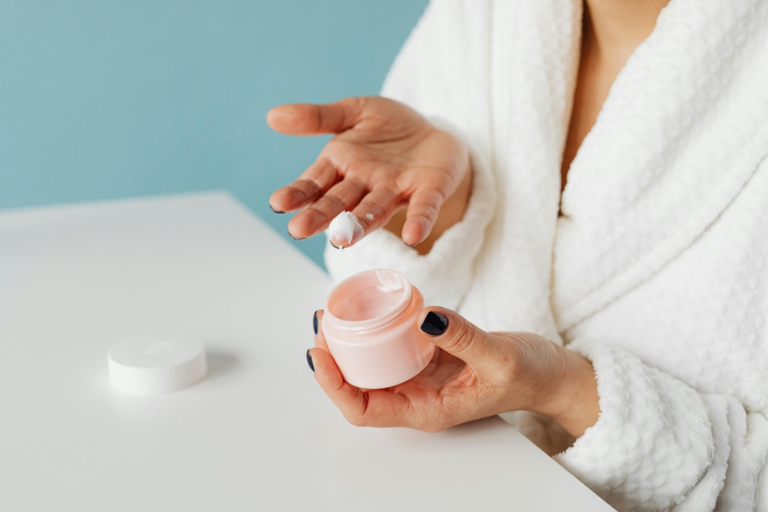
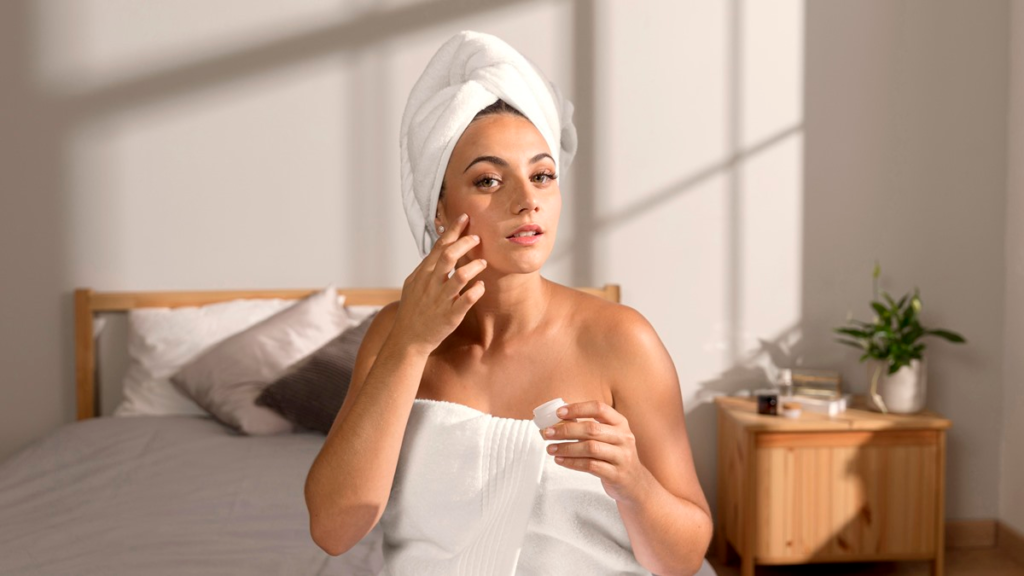
A simple, consistent skincare routine is essential for healthy, youthful skin. Experts recommend a three-step approach: cleanse, nourish, and protect.
Cleansing:
Use a gentle cleanser to remove dirt, oil, and makeup without stripping the skin’s natural moisture. Over-cleansing can damage the skin barrier, making it more prone to aging.
Nourishing:
Incorporate serums and creams rich in antioxidants, vitamins, and natural oils. Ingredients like vitamin C, retinol, and hyaluronic acid support collagen production, brighten the skin, and maintain hydration.
Protecting:
Never skip moisturizer and sunscreen. Hydrated skin appears plumper and shows fewer wrinkles.
3. Eat an Anti-Aging Diet
What you eat directly impacts your skin’s health. Nutrient-dense foods can slow aging and improve elasticity, texture, and tone.
Include:
- Fruits and vegetables: Rich in antioxidants like vitamins A, C, and E, which combat free radicals.
- Omega-3 fatty acids: Found in salmon, walnuts, and chia seeds, they maintain skin barrier function and reduce inflammation.
- Protein: Necessary for collagen and elastin synthesis. Include lean meats, beans, and legumes.
- Green tea: Contains polyphenols that protect skin cells and prevent UV damage.
Limit:
- Sugary and processed foods, which can cause glycation, a process that damages collagen and accelerates wrinkles.
- Excess alcohol, which dehydrates skin and impairs its repair mechanisms.
4. Stay Hydrated
Hydration is critical for maintaining skin elasticity. Water helps flush out toxins and supports cellular repair.
Expert tip:
- Drink at least 8 glasses of water daily.
- Include hydrating foods like cucumbers, watermelon, and oranges.
- Use moisturizers with natural humectants like glycerin, aloe vera, and hyaluronic acid.
5. Incorporate Antioxidants
Oxidative stress from free radicals is a major cause of skin aging. Antioxidants neutralize free radicals and prevent cellular damage.
Top natural antioxidants for skin:
- Vitamin C: Brightens skin and boosts collagen production.
- Vitamin E: Protects against sun damage and improves hydration.
- Polyphenols: Found in green tea, cocoa, and berries; they reduce inflammation and UV-induced damage.
Application tips:
- Apply topical antioxidants in the morning before sunscreen.
- Include antioxidant-rich foods in your diet daily.
6. Use Natural Oils
Natural oils can deeply nourish and protect the skin from premature aging.
Popular options:
- Rosehip oil: Rich in vitamin A and essential fatty acids, promotes collagen production.
- Argan oil: Moisturizes and strengthens the skin barrier.
- Jojoba oil: Mimics natural sebum, balancing skin hydration.
How to use:
- Apply a few drops to damp skin after cleansing and before moisturizer.
- Use oils at night for overnight hydration and repair.

7. Sleep Well
Sleep is essential for skin regeneration. During deep sleep, the body produces growth hormones that repair skin cells, promote collagen production, and reduce inflammation.
Tips for better sleep:
- Aim for 7–9 hours of quality sleep each night.
- Sleep on your back to prevent sleep lines and wrinkles.
- Keep your bedroom cool and dark to improve sleep quality.
Experts often call sleep the ultimate anti-aging “treatment”, because it naturally restores and revitalizes skin.
8. Manage Stress
Chronic stress increases cortisol levels, which can break down collagen, thin the skin, and accelerate aging.
Natural stress management techniques:
- Meditation and deep breathing exercises.
- Yoga or gentle stretching.
- Time in nature and exposure to sunlight (helps vitamin D synthesis).
- Journaling and self-reflection.
9. Avoid Smoking and Limit Alcohol
Smoking accelerates skin aging by reducing blood flow and breaking down collagen. It also contributes to dullness, fine lines, and sagging.
Alcohol dehydrates the skin and reduces its ability to repair itself. Limiting these substances can prevent premature aging and improve overall skin health.
10. Exercise Regularly
Exercise boosts circulation, delivering oxygen and nutrients to skin cells. It also reduces stress and supports hormone balance, both of which slow skin aging.
Expert tips:
- Aim for at least 150 minutes of moderate exercise per week.
- Include strength training to maintain muscle tone, which supports skin firmness.
- Consider yoga or facial exercises to stimulate blood flow and tone facial muscles.
11. Incorporate Gentle Exfoliation
Exfoliation removes dead skin cells, allowing new cells to surface, improving texture and radiance.
Natural exfoliants:
- Oatmeal, sugar, or ground almonds for gentle scrubs.
- Enzyme-based exfoliants from papaya or pineapple.
Expert caution:
- Avoid harsh scrubs or over-exfoliation, which can damage the skin barrier and accelerate aging.
- Exfoliate 1–2 times per week depending on skin type.
12. Consider Natural Supplements
Certain natural supplements may support skin health from within:
- Collagen peptides: Can improve skin elasticity and hydration.
- Vitamin D: Supports skin cell function and immunity.
- Coenzyme Q10: Protects against oxidative stress and supports energy production in skin cells.
- Probiotics: Promote a healthy gut, which is linked to skin health.
Note: Always consult a healthcare professional before starting new supplements.
13. Embrace a Positive Mindset
Studies show that a positive attitude and regular laughter can reduce stress, improve circulation, and even impact skin appearance. Happiness and confidence can make your skin glow naturally.
Common Myths About Natural Anti-Aging
It’s easy to fall for myths about slowing aging. Experts clarify some common misconceptions:
- Myth 1: Expensive creams are always better.
Natural, well-formulated products often match the effectiveness of luxury items. - Myth 2: You can reverse wrinkles completely.
Natural methods slow aging and reduce visible signs but cannot completely reverse deep wrinkles. - Myth 3: Sun exposure without sunscreen is healthy.
While some sun is necessary for vitamin D, unprotected exposure accelerates aging.
Putting It All Together: A Daily Anti-Aging Routine
Morning:
- Gentle cleanser
- Antioxidant serum (vitamin C)
- Moisturizer with hyaluronic acid or natural oils
- Broad-spectrum sunscreen SPF 30+
Evening:
- Gentle cleanser
- Serum with retinol or peptides (if tolerated)
- Moisturizer or nourishing oil
- Eye cream (optional, for targeted care)
Weekly:
- 1–2 gentle exfoliation sessions
- Face mask with hydrating or antioxidant-rich ingredients
Lifestyle Habits for Youthful Skin
- Maintain a balanced, nutrient-rich diet
- Stay hydrated
- Prioritize quality sleep
- Exercise regularly
- Manage stress effectively
- Avoid smoking and excessive alcohol
By combining these habits with a consistent skincare routine, you can slow down skin aging naturally and maintain healthy, radiant skin well into your later years.
Slowing down skin aging naturally is about a holistic approach. By protecting your skin from sun damage, nourishing it with proper skincare, maintaining healthy lifestyle habits, and embracing mindfulness, you can enjoy youthful, glowing skin. Remember, consistency is key – small daily efforts accumulate over time, producing significant long-term results.