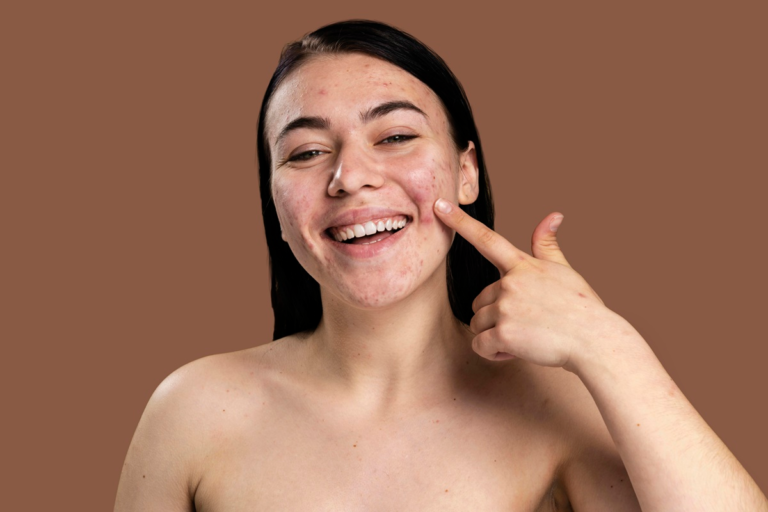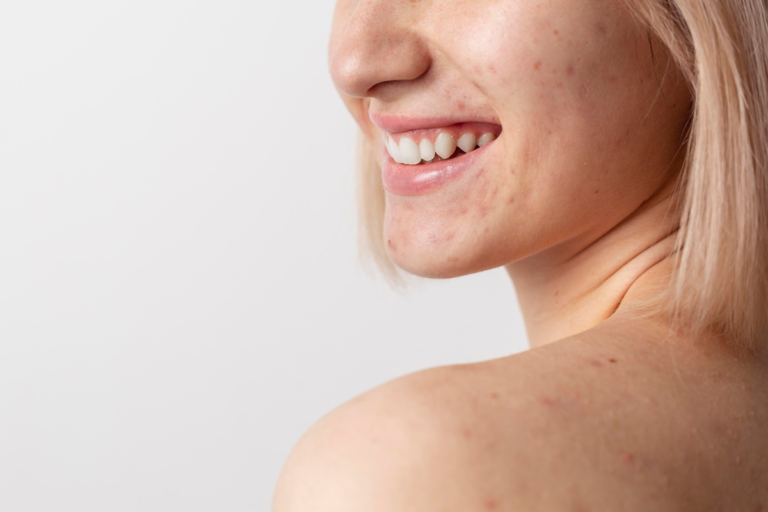
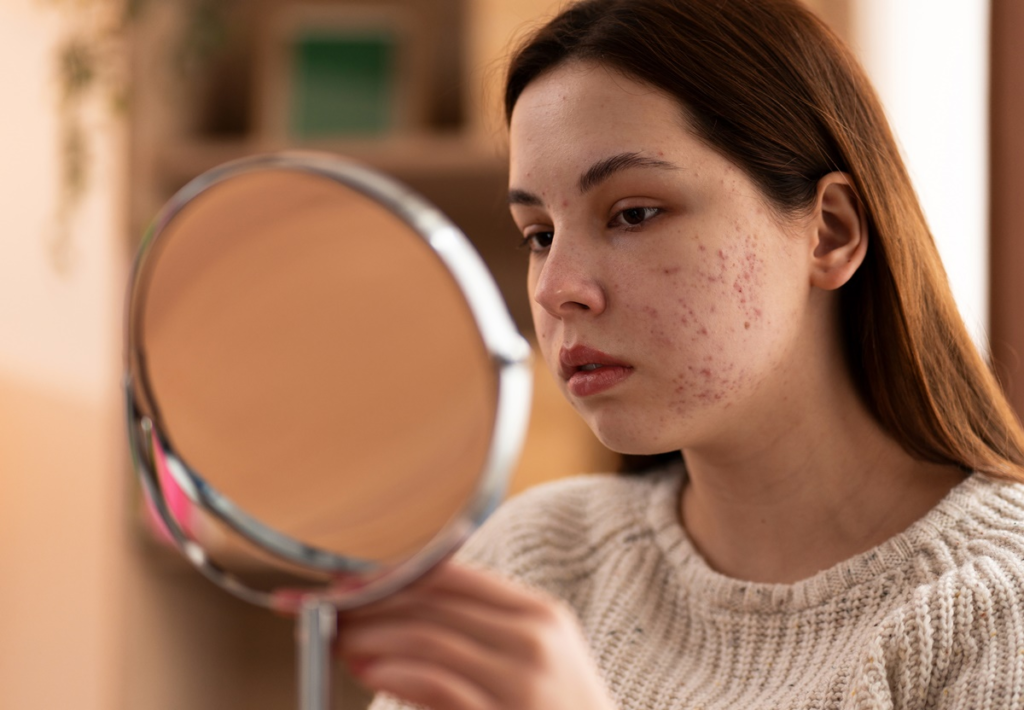
Hormonal acne is a common concern for many adults, especially women, and it can be frustrating to manage. Unlike occasional breakouts, hormonal acne is often persistent, deep, and painful. It usually appears along the jawline, chin, and lower face, and is influenced by hormonal fluctuations related to the menstrual cycle, stress, or underlying endocrine issues.
Understanding how to prevent hormonal acne requires a combination of lifestyle adjustments, skincare routines, and sometimes medical intervention. This comprehensive guide offers dermatologists’ recommendations and science-backed strategies to help you reduce and prevent hormonal acne effectively.
What Is Hormonal Acne?
Hormonal acne is primarily driven by fluctuations in sex hormones, particularly androgens like testosterone. These hormones increase sebum (oil) production in the skin, which can clog pores and trigger inflammation. Hormonal acne can affect anyone, but it is most prevalent in women aged 20–40. It is often cyclical, worsening during premenstrual periods or times of high stress.
Key Signs of Hormonal Acne:
- Location: Typically appears on the lower face, jawline, chin, and neck.
- Type of Lesions: Deep, painful cysts or nodules rather than surface blackheads.
- Timing: Flare-ups often coincide with menstrual cycles or hormonal changes.
- Resistance: Less responsive to over-the-counter acne treatments.
Understanding these signs helps differentiate hormonal acne from other types of breakouts, guiding a more targeted prevention approach.
Common Causes of Hormonal Acne
Several factors contribute to hormonal acne:
- Androgen Imbalance: Androgens stimulate oil glands, increasing sebum production. Excess sebum clogs pores, leading to acne.
- Stress: Elevated cortisol levels can disrupt hormonal balance, aggravating acne.
- Dietary Influences: High glycemic foods and dairy products may worsen hormonal acne in susceptible individuals.
- Medications: Some hormonal contraceptives, steroids, or certain medications can trigger acne.
- Underlying Conditions: Polycystic Ovary Syndrome (PCOS) and thyroid disorders can contribute to persistent acne.
Identifying the root cause is critical for effective prevention. Dermatologists often recommend evaluating lifestyle, diet, stress levels, and potential medical conditions.
How to Prevent Hormonal Acne: Lifestyle Adjustments
1. Maintain a Balanced Diet
Diet plays a key role in hormonal health. Research suggests that foods with a high glycemic index can spike insulin, indirectly increasing androgen levels and triggering acne. Consider the following:
- Low Glycemic Foods: Vegetables, whole grains, legumes, and most fruits.
- Limit Dairy Intake: Some studies link cow’s milk with increased acne severity.
- Healthy Fats: Omega-3 fatty acids in salmon, walnuts, and chia seeds reduce inflammation.
- Antioxidant-Rich Foods: Berries, leafy greens, and citrus fruits support skin repair and reduce oxidative stress.
A nutrient-rich, balanced diet helps regulate hormones and supports overall skin health.

2. Manage Stress Effectively
Stress is a major trigger for hormonal acne because it elevates cortisol levels, which in turn increases sebum production. Effective stress management techniques include:
- Meditation and Mindfulness: Daily meditation can reduce stress hormone levels.
- Regular Exercise: Moderate aerobic activity lowers cortisol and improves circulation.
- Sleep Hygiene: Aim for 7–9 hours of quality sleep to balance hormonal production.
- Journaling: Writing down stressors can help reduce emotional tension and prevent flare-ups.
Consistent stress management is essential for long-term hormonal acne prevention.
3. Optimize Your Sleep Schedule
Sleep deprivation disrupts hormonal balance, particularly affecting cortisol, growth hormone, and insulin levels. Tips for better sleep:
- Stick to a consistent sleep schedule.
- Avoid screens at least 1 hour before bedtime.
- Keep the bedroom dark, cool, and quiet.
- Limit caffeine and alcohol in the evening.
Better sleep supports hormonal regulation, reducing the likelihood of breakouts.
Skincare Routine for Preventing Hormonal Acne
A proper skincare routine is vital in preventing hormonal acne. Dermatologists recommend gentle, consistent practices rather than harsh treatments.
1. Cleanse Gently, Twice Daily
- Use a mild, non-comedogenic cleanser.
- Avoid scrubbing, which can irritate skin and worsen inflammation.
- Consider cleansers with salicylic acid (BHA) to unclog pores gently.
2. Exfoliation: Chemical Over Physical
- Chemical exfoliants like AHAs (glycolic acid, lactic acid) or BHAs (salicylic acid) are preferred.
- Exfoliate 2–3 times per week to remove dead skin cells and prevent clogged pores.
- Avoid over-exfoliation, which can disrupt the skin barrier and trigger more acne.
3. Moisturize Without Clogging Pores
- Choose non-comedogenic moisturizers containing niacinamide, hyaluronic acid, or ceramides.
- Moisturizing maintains the skin barrier and reduces irritation from acne treatments.
4. Targeted Treatments
- Topical Retinoids: Encourage cell turnover, prevent clogged pores, and reduce inflammation.
- Benzoyl Peroxide: Kills acne-causing bacteria and reduces inflammation.
- Azelaic Acid: Reduces redness and helps with post-acne marks.
- Niacinamide Serum: Regulates sebum and soothes irritated skin.
Consistency is key. Apply treatments at night if using retinoids to avoid sun sensitivity.
5. Sun Protection
- Daily SPF 30+ protects skin from UV damage and prevents post-acne hyperpigmentation.
- Use mineral-based sunscreens for sensitive or acne-prone skin.
Medical Approaches for Hormonal Acne Prevention
Sometimes, lifestyle and skincare adjustments are not enough. Dermatologists may recommend medical treatments tailored to hormonal acne.
1. Oral Contraceptives
- Certain birth control pills balance androgen levels, reducing sebum production.
- Best suited for women without contraindications like clotting disorders.
2. Anti-Androgen Medications
- Spironolactone blocks androgen receptors, reducing hormonal acne flare-ups.
- Typically prescribed for adult women with persistent acne.
3. Retinoids and Antibiotics
- Oral retinoids (like isotretinoin) are effective for severe cases.
- Short-term antibiotics reduce bacterial growth and inflammation.
4. Hormonal Evaluation
- Persistent hormonal acne may indicate PCOS or thyroid imbalance.
- Blood tests can guide personalized treatment, including lifestyle adjustments and medications.

Lifestyle Habits to Avoid Hormonal Acne
Certain habits can worsen hormonal acne. Awareness and modification of these behaviors are crucial.
- Avoid Excessive Touching or Picking: This spreads bacteria and worsens inflammation.
- Limit Heavy Makeup: Non-comedogenic products are essential. Remove makeup thoroughly before bed.
- Reduce Sugar Intake: High sugar promotes insulin spikes, increasing androgen levels.
- Avoid Stress-Inducing Situations When Possible: While not always controllable, limit triggers when feasible.
- Check Skincare Ingredients: Steer clear of heavy oils and pore-clogging ingredients like coconut oil.
Supplements for Hormonal Acne
Some supplements may support hormonal balance and reduce acne:
- Zinc: Anti-inflammatory and supports immune response.
- Omega-3 Fatty Acids: Reduce inflammation and improve skin texture.
- Vitamin D: Regulates immune function and may reduce acne severity.
- Probiotics: Improve gut health, which can indirectly influence hormones.
Consult a dermatologist before starting supplements to ensure proper dosage and safety.
The Role of Exercise in Acne Prevention
Exercise improves circulation, reduces stress, and regulates hormones. Key points:
- Moderate, Consistent Exercise: Aim for 30–45 minutes, 4–5 times per week.
- Sweat Management: Shower promptly after workouts to remove sweat and bacteria.
- Avoid Tight Clothing: Reduces friction and irritation on the jawline and neck.
Exercise not only benefits hormonal balance but also supports overall well-being.
Monitoring Hormonal Acne Patterns
Keeping a log of your acne flare-ups can help identify patterns and triggers:
- Track breakouts with a calendar or app.
- Note menstrual cycle, stress levels, diet changes, and skincare products.
- Review with a dermatologist for a targeted prevention plan.
Understanding triggers enables proactive measures before acne worsens.
Natural Remedies: Do They Work?
Many people turn to natural remedies, but evidence varies:
- Tea Tree Oil: Mild antibacterial properties, effective for small blemishes.
- Green Tea Extract: Anti-inflammatory and antioxidant effects.
- Honey and Aloe Vera: Soothing for irritated skin, but limited impact on hormonal acne.
While natural remedies can complement a routine, they rarely replace medical or dermatologist-approved treatments.
Preventive Strategies for Teens vs Adults
- Teenagers: Hormonal acne is often driven by puberty-related androgen surges. Gentle skincare and education on lifestyle habits are key.
- Adults: Focus more on regulating menstrual cycle, stress, diet, and considering medical interventions when needed.
Different age groups require tailored prevention approaches for optimal results.
Summary: How to Prevent Hormonal Acne
Preventing hormonal acne requires a multifaceted approach:
- Balanced Diet: Low glycemic, nutrient-rich foods.
- Stress Management: Meditation, exercise, and sleep optimization.
- Skincare Routine: Gentle cleansing, chemical exfoliation, moisturizing, sun protection, and targeted treatments.
- Medical Consultation: Oral contraceptives, anti-androgens, and hormonal evaluation for persistent acne.
- Lifestyle Adjustments: Avoid touching the face, reduce sugar, and monitor triggers.
- Supplements and Exercise: Support hormonal balance and reduce inflammation.
Consistency is crucial. Hormonal acne prevention is a long-term commitment rather than a quick fix. With a well-rounded approach, you can achieve clearer, healthier skin while improving overall hormonal balance.