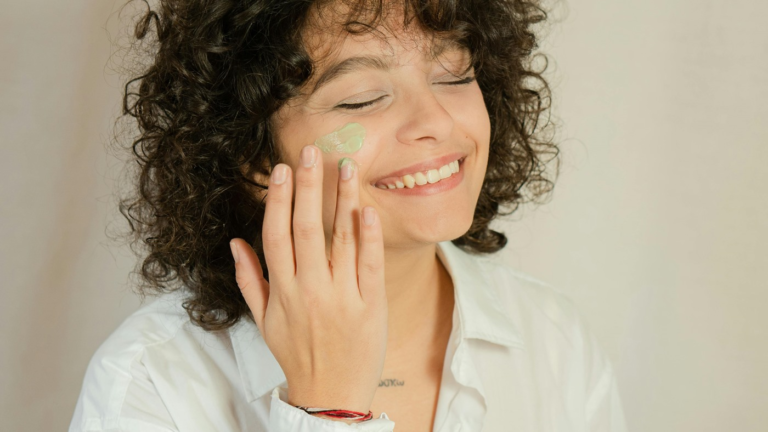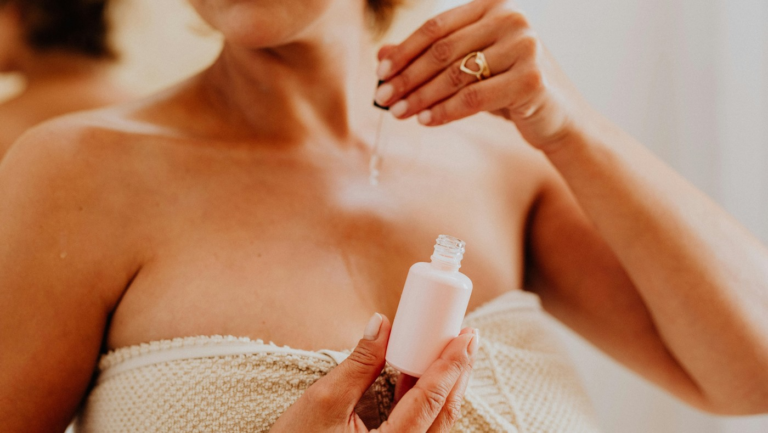

Aging is a natural process, and as we grow older, wrinkles and fine lines become more visible. Mature skin tends to lose elasticity, firmness, and moisture, making it more susceptible to the formation of wrinkles.
While genetics and lifestyle play a role, there are effective dermatologist-recommended strategies to reduce wrinkles, improve skin texture, and restore a youthful appearance. In this guide, we explore expert tips, treatments, and skincare routines specifically designed for mature skin.
Understanding Wrinkles on Mature Skin
Wrinkles are a natural sign of aging, caused by a combination of intrinsic and extrinsic factors. Intrinsic aging is the natural aging process driven by genetics and the gradual decline of collagen and elastin production in the skin. Extrinsic aging, on the other hand, results from environmental factors such as sun exposure, pollution, smoking, and lifestyle choices.
Dermatologists emphasize that mature skin requires a comprehensive approach that includes preventive measures, professional treatments, and consistent at-home care. Understanding the causes of wrinkles is the first step in creating an effective anti-aging skincare plan.
Common Types of Wrinkles
Dermatologists classify wrinkles into three main types:
- Fine Lines – Shallow lines that often appear around the eyes (crow’s feet), mouth, and forehead.
- Deep Wrinkles – More pronounced lines caused by significant collagen loss, commonly seen on the cheeks and nasolabial folds.
- Sagging Skin – Caused by weakened connective tissues and reduced elasticity, leading to folds and drooping.
Recognizing the type of wrinkles you have can help you choose the most effective treatment options.
Top Dermatologist-Recommended Treatments for Wrinkles
1. Retinoids: The Gold Standard for Anti-Aging
Retinoids, derived from vitamin A, are among the most recommended ingredients by dermatologists for reducing wrinkles on mature skin. Retinoids work by:
- Stimulating collagen production
- Accelerating cell turnover
- Improving skin texture and firmness
Types of Retinoids:
- Retinol: Over-the-counter option, suitable for gradual improvement.
- Tretinoin: Prescription-strength retinoid for more dramatic results.
- Adapalene: Gentle option for sensitive skin, often used for anti-aging and acne.
Usage Tips:
- Apply at night, starting with a small amount.
- Gradually increase frequency to avoid irritation.
- Use a broad-spectrum sunscreen during the day, as retinoids increase sun sensitivity.
2. Antioxidants: Protect and Repair
Oxidative stress from free radicals accelerates skin aging. Antioxidants help neutralize free radicals and support skin repair. Dermatologists recommend:
- Vitamin C: Brightens skin, stimulates collagen, and reduces fine lines.
- Vitamin E: Enhances hydration and protects against environmental damage.
- Niacinamide: Improves skin barrier function, reduces wrinkles, and evens skin tone.
Tips for Use:
- Combine with sunscreen for enhanced protection.
- Apply in the morning under moisturizer or serum.
- Choose products with stable formulations to ensure efficacy.
3. Hyaluronic Acid: Deep Hydration for Mature Skin
Mature skin often loses natural moisture, making wrinkles more noticeable. Hyaluronic acid (HA) is a hydrating powerhouse that:
- Attracts and retains water in the skin
- Plumps fine lines and wrinkles
- Improves skin elasticity
Dermatologist Advice:
- Use serums or creams with high molecular weight HA for surface hydration.
- Consider professional HA injections (dermal fillers) for deeper wrinkles.

4. Peptides: Building Blocks for Skin Renewal
Peptides are short chains of amino acids that signal skin to produce collagen and elastin. Dermatologists recommend peptide-rich products for:
- Smoothing fine lines
- Improving skin firmness
- Enhancing overall skin texture
Usage Tip:
- Apply peptides in the evening or as part of a layered skincare routine with antioxidants and moisturizers.
5. Professional Treatments for Wrinkles
Dermatologists often combine at-home care with professional treatments for more visible results. Popular options include:
a) Botox and Neuromodulators
Botox (botulinum toxin) temporarily relaxes muscles that cause dynamic wrinkles, such as frown lines and crow’s feet.
Key Points:
- Quick procedure with minimal downtime
- Effects last 3–6 months
- Best for expression lines, not for sagging skin
b) Dermal Fillers
Fillers such as hyaluronic acid-based injectables add volume and reduce deep wrinkles.
Key Points:
- Instantly smoothens nasolabial folds, marionette lines, and cheeks
- Results last 6–18 months depending on the product
- Performed by licensed dermatologists or plastic surgeons
c) Laser Treatments and Microneedling
Laser resurfacing and microneedling stimulate collagen production and improve skin texture.
Benefits:
- Reduces fine lines and pigmentation
- Improves skin firmness
- Minimal downtime with fractional lasers and RF microneedling
6. Sun Protection: The Most Important Anti-Aging Step
Dermatologists stress that UV exposure is the leading cause of premature wrinkles. Daily sun protection is non-negotiable:
- Use broad-spectrum sunscreen SPF 30+ every day
- Reapply every 2 hours if outdoors
- Wear protective clothing, hats, and sunglasses
Tip: Even on cloudy days or indoors near windows, UV rays can accelerate aging.
7. Lifestyle Habits That Support Wrinkle Reduction
Mature skin benefits from a holistic approach. Key lifestyle practices include:
- Healthy Diet: Rich in antioxidants, omega-3 fatty acids, and vitamins. Foods like berries, leafy greens, salmon, and nuts help skin repair.
- Adequate Hydration: Drinking enough water supports skin elasticity.
- Regular Exercise: Boosts circulation, oxygenates skin, and promotes collagen production.
- Sleep: Quality sleep helps repair skin and reduce stress-induced aging.
- Avoid Smoking and Excess Alcohol: Both accelerate collagen breakdown and skin damage.
At-Home Skincare Routine for Mature Skin
A dermatologist-approved daily routine can prevent and reduce wrinkles effectively:
Morning:
- Gentle cleanser
- Antioxidant serum (Vitamin C, Niacinamide)
- Moisturizer with hyaluronic acid
- Broad-spectrum sunscreen SPF 30+
Evening:
- Gentle cleanser
- Retinoid or peptide serum
- Moisturizer (rich in ceramides or hyaluronic acid)
- Eye cream for crow’s feet and fine lines
Weekly Treatments:
- Exfoliation (chemical exfoliants like AHA/BHA for mature skin)
- Hydrating masks with collagen-boosting ingredients

Natural Remedies and Dermatologist Insights
Some natural remedies can complement professional treatments and enhance skin health:
- Aloe Vera: Contains vitamins and antioxidants for skin hydration
- Green Tea Extract: Reduces oxidative stress and inflammation
- Coconut Oil: Provides deep hydration for dry mature skin
Important: Dermatologists caution that natural remedies work best in combination with clinical-grade skincare and cannot replace professional treatments for deep wrinkles.
Common Mistakes to Avoid
Dermatologists highlight several common mistakes that can worsen wrinkles:
- Over-exfoliating mature skin, leading to sensitivity
- Skipping sunscreen, which accelerates aging
- Using harsh soaps or alcohol-based toners
- Ignoring professional advice for deeper wrinkles or sagging skin
Choosing the Right Products for Mature Skin
When selecting anti-aging products, dermatologists recommend:
- Looking for clinically proven ingredients (retinoids, peptides, antioxidants)
- Checking for formulation stability (Vitamin C, for example, must be stable to remain effective)
- Avoiding products with excessive fragrance or irritants
- Consulting a dermatologist for personalized recommendations
Reducing wrinkles on mature skin requires a combination of consistent skincare, professional treatments, and healthy lifestyle habits. Dermatologist-recommended strategies focus on stimulating collagen, hydrating the skin, protecting against UV damage, and addressing wrinkles with both topical and procedural interventions.
By following these expert tips, mature skin can maintain its elasticity, firmness, and youthful glow, allowing you to age gracefully while feeling confident in your skin.
Key Takeaways:
- Retinoids are essential for collagen stimulation and wrinkle reduction.
- Antioxidants and peptides protect and repair the skin.
- Professional treatments such as Botox, fillers, lasers, and microneedling deliver visible results.
- Daily sunscreen and lifestyle habits are non-negotiable for preventing further aging.
- Consistent, dermatologist-approved skincare routines offer the best long-term outcomes.
With dedication and expert guidance, wrinkles can be minimized, and mature skin can appear healthier, plumper, and more radiant.