As we age, our skin naturally loses elasticity, leading to sagging, wrinkles, and a less youthful appearance. By the time we reach our 40s, the combined effects of decreased collagen production, sun exposure, and lifestyle factors become more apparent.
The good news? With the right skincare, lifestyle changes, and professional treatments, you can improve skin elasticity after 40 and maintain a youthful glow. In this guide, we’ll explore expert tips to restore firmness, smoothness, and radiance to your skin.
Understanding Skin Elasticity After 40
Skin elasticity refers to the skin’s ability to stretch and then return to its original shape. This property is primarily determined by collagen and elastin fibers in the dermis layer of the skin.
Why Skin Loses Elasticity
- Collagen Depletion – After 40, collagen production declines by approximately 1% per year, reducing skin firmness.
- Elastin Damage – Elastin fibers, responsible for skin rebound, deteriorate due to aging and sun exposure.
- Hormonal Changes – Decreased estrogen levels during perimenopause and menopause impact skin thickness and moisture retention.
- Lifestyle Factors – Smoking, poor diet, and lack of sleep accelerate skin aging.
Signs Your Skin Needs Elasticity Boosting
Recognizing early signs can help you act before sagging becomes severe:
- Fine lines around eyes and mouth
- Loose or sagging jawline
- Dull complexion
- Deep wrinkles on cheeks or forehead
Tip from Dermatologists: Regularly check skin firmness by gently pinching the skin on your cheeks; if it doesn’t snap back quickly, it’s time to take action.
Top Skincare Ingredients to Improve Skin Elasticity
Choosing the right skincare products is crucial for restoring elasticity. Look for these ingredients:
1. Retinoids (Vitamin A Derivatives)
- Boost collagen production
- Improve cell turnover
- Reduce fine lines and wrinkles
Expert Tip: Use retinoids at night to avoid sun sensitivity, starting 2–3 times per week and increasing gradually.
2. Vitamin C
- Powerful antioxidant
- Stimulates collagen synthesis
- Brightens dull skin
How to Use: Apply a vitamin C serum in the morning under sunscreen for maximum protection.
3. Peptides
- Amino acid chains that signal skin to produce collagen and elastin
- Firm and smooth skin texture
Pro Tip: Incorporate peptide-rich creams or serums into your daily routine.
4. Hyaluronic Acid
- Attracts and retains moisture
- Plumps the skin, reducing the appearance of fine lines
Usage Advice: Layer under moisturizer to lock in hydration.
5. Niacinamide (Vitamin B3)
- Improves elasticity and barrier function
- Reduces redness and uneven skin tone

Daily Skincare Routine for Elastic Skin After 40
A consistent routine is more effective than occasional treatments. Experts recommend:
Morning Routine
- Cleanser – Gentle, non-stripping
- Antioxidant Serum – Vitamin C or ferulic acid
- Moisturizer – Look for hyaluronic acid or ceramides
- Sunscreen SPF 30+ – Essential to prevent UV-related collagen breakdown
Evening Routine
- Cleanser – Remove makeup and pollutants
- Retinoid/Peptide Serum – Promote collagen and elastin production
- Moisturizer – Rich, nourishing cream to restore skin overnight
Lifestyle Habits That Boost Skin Elasticity
Skincare alone isn’t enough. Lifestyle plays a pivotal role in maintaining elasticity.
1. Nutrition
- Protein-Rich Foods: Lean meats, eggs, beans – support collagen synthesis
- Antioxidant-Rich Fruits & Veggies: Berries, spinach, tomatoes – protect from free radicals
- Healthy Fats: Omega-3 fatty acids from fish or flaxseeds – maintain skin hydration
2. Hydration
Drinking adequate water daily helps skin maintain plumpness and elasticity. Experts suggest 8–10 glasses per day.
3. Sleep
Quality sleep promotes cell regeneration. Aim for 7–9 hours per night.
4. Exercise
- Boosts circulation and oxygen supply to skin
- Strength training can improve muscle tone, indirectly enhancing skin firmness
5. Avoid Harmful Habits
- Smoking: Reduces collagen production
- Excessive Alcohol: Dehydrates skin and accelerates aging
Professional Treatments for Skin Elasticity
For noticeable results, dermatologists recommend combining at-home care with professional treatments.
1. Microneedling
- Uses tiny needles to create micro-injuries
- Stimulates collagen and elastin production
- Can be combined with growth factors for enhanced effect
2. Laser Therapy
- Fractional CO2 or Erbium lasers remodel collagen
- Improves skin tightness, reduces wrinkles
3. Radiofrequency (RF) Treatments
- Non-invasive skin tightening
- Heats the dermis to stimulate collagen synthesis
- Ideal for face, neck, and décolletage
4. Chemical Peels
- Medium to deep peels improve skin texture and firmness
- Remove dead skin layers and promote regeneration
5. Injectable Treatments
- Dermal Fillers: Restore volume and support sagging skin
- Botulinum Toxin: Relax dynamic wrinkles, complementing firming treatments
Natural Remedies to Complement Skincare
While professional treatments deliver faster results, natural remedies can support elasticity:
- Aloe Vera: Rich in polysaccharides that stimulate collagen
- Green Tea: Antioxidants reduce collagen breakdown
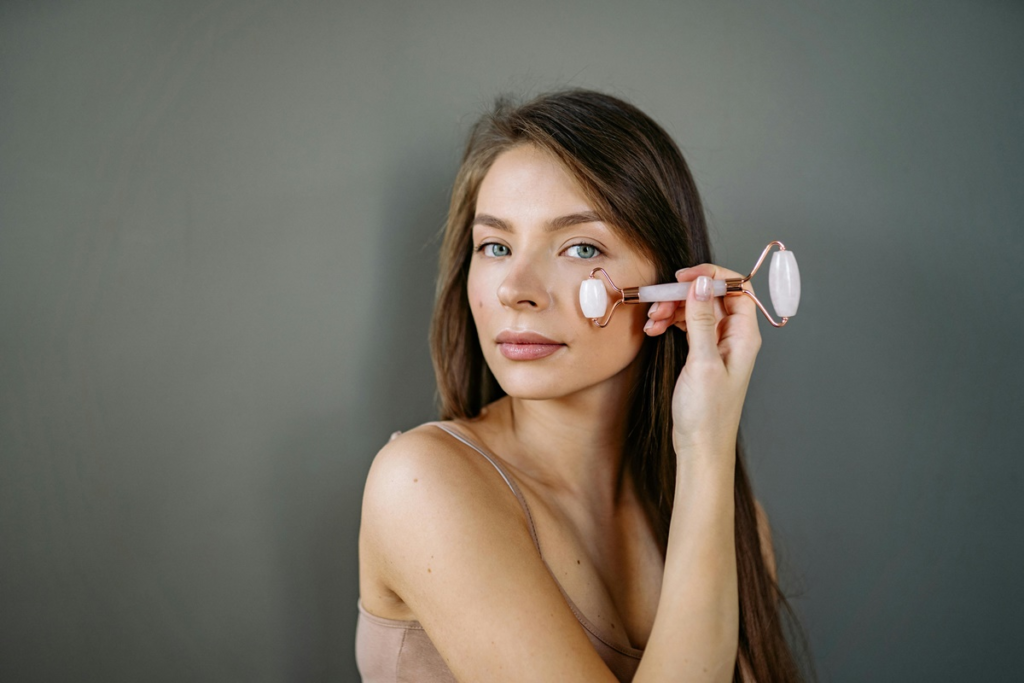
- Facial Massage: Improves circulation and lymphatic drainage
Pro Tip: Consistency is key; combine natural remedies with clinical skincare for optimal results.
Mind-Body Practices for Healthy Skin
Stress negatively affects collagen. Integrating wellness practices improves skin health:
- Yoga & Meditation: Lower cortisol levels, support cell regeneration
- Facial Exercises: Tone underlying muscles, enhancing firmness
- Mindful Eating: Focus on nutrient-dense foods for skin longevity
Common Myths About Skin Elasticity After 40
- Myth: Only expensive creams work.
Truth: Ingredients like retinoids, peptides, and vitamin C are effective regardless of price. - Myth: Elasticity loss is irreversible.
Truth: Collagen-stimulating treatments and lifestyle changes can restore firmness. - Myth: Sun damage is only cosmetic.
Truth: UV exposure accelerates structural skin damage and elasticity loss.
Expert Tips Summary
- Use retinoids and vitamin C consistently
- Maintain hydration and balanced nutrition
- Incorporate peptides and hyaluronic acid for firmness
- Prioritize sleep and stress management
- Consider professional treatments for significant sagging
- Avoid smoking, excessive alcohol, and sun overexposure
Improving skin elasticity after 40 is achievable with a combination of targeted skincare, lifestyle changes, and professional treatments.
By understanding the factors that affect firmness and implementing a strategic regimen, you can restore youthful texture, reduce wrinkles, and maintain radiant skin for years to come. Remember, consistency is key, and proactive care today will yield long-term benefits.