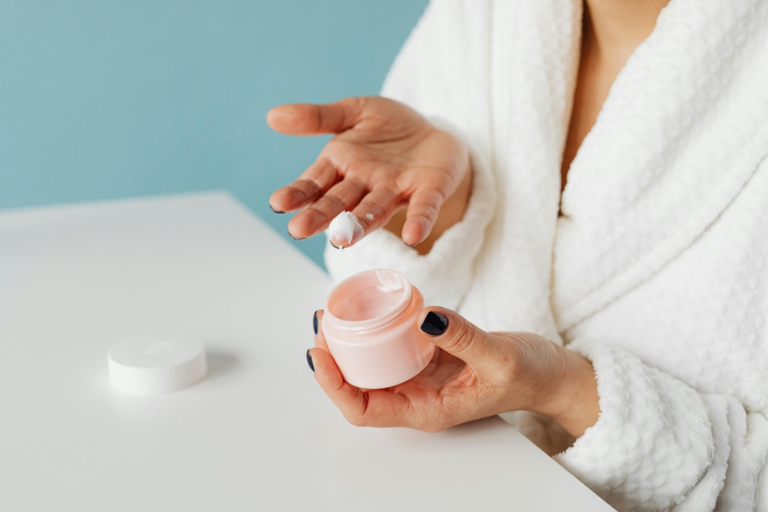

Dry skin on the face is one of the most common skincare concerns across all ages and skin types. Tightness, flaking, rough texture, dullness, redness, and increased sensitivity can make skin look tired and feel uncomfortable. If not treated properly, facial dryness may also accelerate the appearance of fine lines and compromise the skin barrier.
In this comprehensive guide, you will learn how to treat dry skin on face effectively using dermatologist-approved strategies, evidence-based ingredients, and a step-by-step routine. You will also discover expert-recommended products that help restore hydration and strengthen the skin barrier.
What Causes Dry Skin on Face? (Dry Skin Causes, Skin Barrier Damage, Dehydrated vs Dry Skin)
Before choosing products, it is important to understand what causes dry skin on face. Facial dryness occurs when the skin lacks lipids (natural oils) and struggles to retain moisture.
Common Causes of Dry Facial Skin
- Cold weather and low humidity
Winter air and indoor heating reduce moisture levels in the environment, leading to transepidermal water loss. - Over-cleansing and harsh skincare
Foaming cleansers with strong surfactants, alcohol-based toners, and over-exfoliation damage the protective barrier. - Aging
As we age, sebum production decreases, making skin naturally drier and thinner. - Hot showers and long baths
Hot water strips natural oils from the skin surface. - Medical conditions
Eczema, psoriasis, and dermatitis may present as extreme dryness and irritation. - Retinoids and acne treatments
Active ingredients like retinol and benzoyl peroxide can disrupt the barrier if not balanced properly.
Dry Skin vs Dehydrated Skin
Dry skin lacks oil.
Dehydrated skin lacks water.
You can have oily but dehydrated skin, yet true dry skin requires consistent lipid replenishment. Correct diagnosis determines the right treatment approach.
Signs and Symptoms of Dry Skin on Face (Flaky Skin, Tight Skin, Rough Texture)
Common symptoms include:
- Tightness after washing
- Visible flaking or peeling
- Rough patches
- Redness or irritation
- Fine lines that appear more pronounced
- Dull complexion
If your skin feels uncomfortable throughout the day, your barrier likely needs repair.
Best Skincare Routine for Dry Skin on Face (Hydrating Skincare Routine Step by Step)
Creating a proper routine is the foundation of treating dryness. The goal is to cleanse gently, hydrate deeply, and lock in moisture.
Step 1: Gentle Cleanser for Dry Skin (Hydrating Face Wash, Non-Stripping Cleanser)
Choose a mild, creamy, non-foaming cleanser that preserves lipids.
What to Look For:
- Ceramides
- Glycerin
- Hyaluronic acid
- No alcohol
- No harsh sulfates
Recommended Cleansers:
- CeraVe Hydrating Facial Cleanser
- La Roche-Posay Toleriane Hydrating Gentle Cleanser
- Avène Extremely Gentle Cleanser Lotion
Avoid over-washing. Cleanse twice daily maximum.
Step 2: Hydrating Toner or Essence (Best Toner for Dry Skin, Skin Plumping Ingredients)
A hydrating toner adds a first layer of moisture and prepares the skin for serums.
Key Ingredients:
- Panthenol
- Beta-glucan
- Aloe vera
- Hyaluronic acid
Recommended Products:
- Hada Labo Gokujyun Premium Lotion
- Klairs Supple Preparation Unscented Toner
- Laneige Cream Skin Refiner
Apply on slightly damp skin for better absorption.
Step 3: Hydrating Serum for Dry Skin (Hyaluronic Acid Serum, Barrier Repair Serum)
Serums deliver concentrated hydration.
Best Ingredients for Dry Skin:
- Hyaluronic acid
- Polyglutamic acid
- Ceramides
- Niacinamide
- Peptides
Recommended Serums:
- Vichy Minéral 89
- The Ordinary Hyaluronic Acid 2% + B5
- Drunk Elephant B-Hydra Intensive Hydration Serum
Apply 2–3 drops and gently press into the skin.
Step 4: Best Moisturizer for Dry Skin on Face (Rich Cream, Ceramide Moisturizer)
Moisturizer is the most important step in treating dry skin on face.
Look for:
- Ceramides
- Cholesterol
- Fatty acids
- Shea butter
- Squalane
These ingredients mimic the skin’s natural lipid barrier.
Recommended Moisturizers:
- CeraVe Moisturizing Cream
- La Roche-Posay Lipikar Balm AP+M
- First Aid Beauty Ultra Repair Cream
- Embryolisse Lait-Crème Concentré
Apply generously, especially at night.
Step 5: Facial Oil for Extra Dry Skin (Best Face Oils for Dry Skin)
If your skin remains tight, add a facial oil as the final step.
Best Oils:
- Squalane
- Rosehip oil
- Jojoba oil
- Marula oil
Recommended Products:
- The Ordinary 100% Plant-Derived Squalane
- Pai Rosehip BioRegenerate Oil
- Sunday Riley Juno Face Oil
Oils seal hydration but should not replace moisturizer.
Best Ingredients to Treat Dry Skin on Face (Ceramides, Hyaluronic Acid, Glycerin, Niacinamide)
Understanding ingredients helps you make smarter choices.
Ceramides (Skin Barrier Repair)
Ceramides restore the lipid barrier and reduce water loss. Essential for chronic dryness.
Hyaluronic Acid (Deep Hydration)
Binds water to the skin but works best when sealed with a cream.
Glycerin (Humectant for Dry Skin)
Draws moisture into the skin and supports elasticity.
Niacinamide (Strengthens Barrier)
Improves barrier function and reduces redness.
Panthenol (Soothing and Repairing)
Calms irritation and supports healing.
Shea Butter and Squalane (Occlusive Emollients)
Prevent moisture evaporation and soften rough texture.
How to Repair Skin Barrier Fast (Compromised Skin Barrier Treatment)
If your dryness is severe, focus on barrier repair.
Stop:
- Exfoliating acids
- Retinoids
- Strong vitamin C
- Physical scrubs
Start:
- Minimal routine
- Thick moisturizer
- Ceramide-rich products
- SPF daily
Barrier Repair Products:
- La Roche-Posay Cicaplast Baume B5
- Dr. Jart+ Ceramidin Cream
- Avène Cicalfate+ Restorative Protective Cream
Give your skin at least 2–4 weeks to recover.

Best Face Masks for Dry Skin (Hydrating Mask for Glowing Skin)
Weekly masks enhance hydration levels.
Look for:
- Hyaluronic acid
- Honey
- Centella asiatica
- Ceramides
Recommended Masks:
- Laneige Water Sleeping Mask
- Summer Fridays Jet Lag Mask
- Origins Drink Up Intensive Overnight Mask
Use 1–2 times per week.
How to Treat Extremely Dry Skin on Face in Winter (Winter Skincare Tips)
Winter requires routine adjustments.
Tips:
- Use a humidifier indoors
- Switch to richer cream
- Avoid hot water
- Reapply moisturizer mid-day if needed
- Use gentle exfoliation once weekly maximum
Layering hydration (toner + serum + cream + oil) works best in cold climates.
Natural Remedies for Dry Skin on Face (Home Treatment for Dry Skin)
Natural options may support but should not replace clinical skincare.
Helpful Ingredients:
- Honey mask
- Oatmeal compress
- Aloe vera gel
- Coconut oil (if non-acne-prone)
Patch test before applying natural remedies.
SPF for Dry Skin (Best Sunscreen for Dry and Sensitive Skin)
Sun exposure worsens dryness and accelerates aging.
Look for:
- Creamy texture
- Added ceramides
- No alcohol
Recommended Sunscreens:
- EltaMD UV Daily SPF 40
- La Roche-Posay Anthelios Melt-in Milk SPF 50
- Beauty of Joseon Relief Sun
Apply daily, even in winter.
Common Mistakes That Make Dry Skin Worse
- Over-exfoliating
- Using foaming cleansers
- Skipping moisturizer
- Not applying SPF
- Using only oil without humectants
- Ignoring indoor humidity
Consistency matters more than product quantity.
When to See a Dermatologist (Severe Dry Skin Treatment)
Seek medical advice if you experience:
- Cracking or bleeding skin
- Severe itching
- Persistent redness
- Signs of infection
Prescription creams may be necessary for eczema or dermatitis.
Final Thoughts: How to Treat Dry Skin on Face for Long-Term Results
Treating dry skin on face requires patience, consistency, and barrier-focused care. Choose gentle cleansers, layer hydrating products, use ceramide-rich moisturizers, and protect your skin daily with sunscreen. Avoid harsh actives during recovery and prioritize skin barrier repair.
When you understand what causes dryness and select ingredients strategically, your skin can regain comfort, smoothness, and healthy glow.
Healthy skin is not about using more products. It is about using the right products consistently.
This article may contain affiliate links. If you purchase products through these links, we may earn a small commission at no additional cost to you. We only recommend products that align with professional skincare standards and may benefit readers with dry skin concerns.