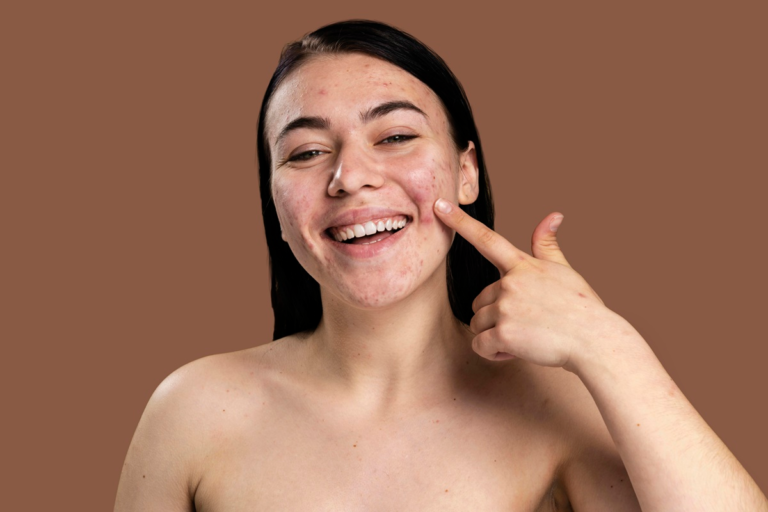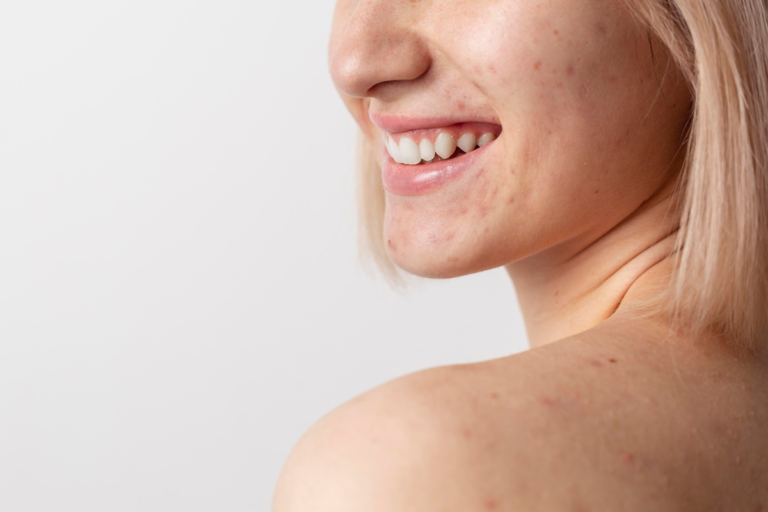

Acne-prone skin is often treated as a problem of excess oil and clogged pores. In professional practice, persistent acne is more commonly linked to a compromised skin barrier, chronic inflammation, and dehydration caused by aggressive treatments.
When the barrier is weakened, the skin produces more sebum, becomes reactive, and heals more slowly. This is why non-comedogenic moisturizers with peptides and ceramides play a critical role in long-term acne management.
Acne-Prone Skin: A Barrier Dysfunction Problem
From a clinical perspective, acne-prone skin often shows:
- Increased transepidermal water loss (TEWL)
- Reduced ceramide levels
- Chronic micro-inflammation
- Poor tolerance to active ingredients
- Delayed post-acne healing
Over-cleansing and excessive exfoliation further damage the barrier, making breakouts more frequent and persistent.
Why Ceramides Are Essential for Acne-Prone Skin
Ceramides are lipid molecules naturally found in the skin barrier. In acne-prone skin, ceramide deficiency is common due to inflammation and long-term use of acne treatments.
Ceramides help:
- Restore barrier integrity without occlusion
- Reduce dehydration-triggered oil production
- Improve tolerance to retinoids and acids
- Support faster healing of inflamed lesions
Properly formulated ceramides do not clog pores and are well tolerated by acne-prone skin.
Why Peptides Are Safe and Effective for Acne-Prone Skin
Peptides are short chains of amino acids that act as skin-signaling molecules. Unlike exfoliating acids, peptides do not increase irritation or inflammation.
For acne-prone skin, peptides:
- Support skin repair and regeneration
- Reduce inflammation
- Improve post-acne texture over time
- Strengthen skin structure without overstimulation
What Non-Comedogenic Really Means in Moisturizers
A non-comedogenic moisturizer should hydrate without suffocating the skin.
Ingredients to look for
- Ceramides (NP, AP, EOP)
- Peptides (signal and repair peptides)
- Cholesterol and fatty acids in low concentrations
- Glycerin, panthenol, beta-glucan
- Niacinamide in moderate percentages
Ingredients to avoid
- Isopropyl myristate
- Heavy waxes and butters
- High concentrations of coconut oil
- Fragrance and essential oils
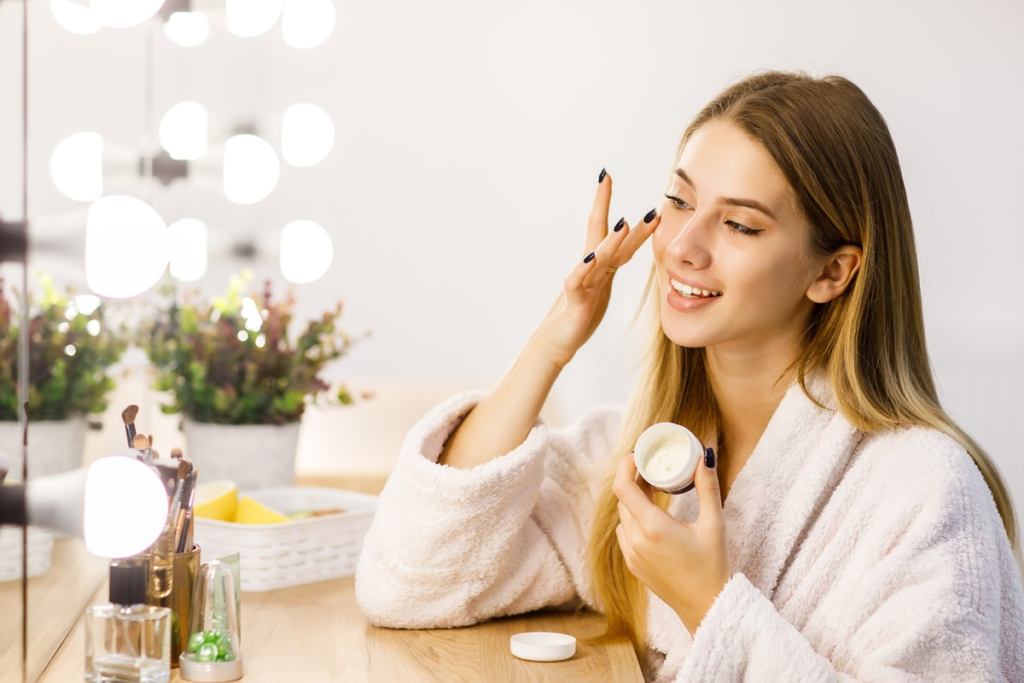
Best Non-Comedogenic Peptide and Ceramide Moisturizers for Acne-Prone Skin
Christina Unstress Probiotic Cream
Why it works
Designed for sensitive and redness-prone acne skin, this cream supports the barrier with ceramide-like lipids and peptides while calming inflammation without clogging pores.
Best for: Acne-prone skin with redness and sensitivity
Texture: Light to medium cream
Babor Skinovage Balancing Cream
Why it works
A lightweight barrier-supportive formula that helps normalize oil production while maintaining hydration and skin comfort.
Best for: Combination and acne-prone skin
Texture: Light cream, fast-absorbing
Babor Doctor Babor Repair Cellular Ultimate Protecting Cream
Why it works
Designed to support recovery after acids, retinoids, or professional treatments, this cream strengthens the barrier without congesting pores.
Best for: Acne-prone skin with barrier damage
Texture: Medium-weight, breathable
SkinCeuticals Triple Lipid Restore 2:4:2
Why it works
Provides essential ceramides, cholesterol, and fatty acids in a physiologic ratio to restore severely compromised skin barriers.
Best for: Dehydrated acne-prone skin, not suitable for very oily skin
Texture: Rich, best for night use
SkinCeuticals Metacell Renewal B3
Why it works
A lightweight emulsion that improves texture and tone while supporting the barrier, suitable for adult acne.
Best for: Adult acne, post-acne texture concerns
Texture: Light emulsion
COSRX Balancium Comfort Ceramide Cream
Why it works
A minimalist ceramide-focused formula designed to strengthen the barrier without pore-clogging ingredients.
Best for: Sensitive, dehydrated acne-prone skin
Texture: Light cream
COSRX Hydrium Moisture Power Enriched Cream
Why it works
Supports hydration and barrier repair for acne-prone skin dehydrated by treatments without increasing congestion.
Best for: Acne-prone skin using retinoids or acids
Texture: Soft cream
PURITO Dermide Relief Barrier Moisturizer
Why it works
A fragrance-free formula with ceramides and peptides that calms inflammation and supports barrier repair.
Best for: Inflamed, sensitized acne-prone skin
Texture: Lightweight cream
PURITO Centella Unscented Recovery Cream
Why it works
Combines centella asiatica with barrier-supporting ingredients to reduce redness and support post-acne recovery.
Best for: Acne-prone skin with redness and sensitivity
Texture: Cream-gel
How to Use Peptide and Ceramide Moisturizers in an Acne Routine
Morning
- Gentle low-pH cleanser
- Acne treatment if prescribed
- Peptide and ceramide moisturizer
- Non-comedogenic sunscreen
Evening
- Gentle cleanser
- Treatment products if tolerated
- Peptide and ceramide moisturizer in a slightly thicker layer
If breakouts worsen, reducing actives while maintaining barrier support is often more effective than eliminating moisturizers.
Can These Moisturizers Cause Breakouts?
When formulated correctly, peptide and ceramide moisturizers are well tolerated by acne-prone skin. Breakouts usually occur due to:
- Choosing a texture too rich for the skin type
- Fragrance or essential oils
- Over-layering products
Patch testing and gradual introduction are recommended.
Acne-prone skin benefits from consistent barrier support. Non-comedogenic moisturizers with peptides and ceramides help reduce inflammation, normalize oil production, improve treatment tolerance, and support clearer skin long term.
Affiliate Partner Disclaimer: Some links on this website may be affiliate links. This means I may earn a small commission if you purchase through these links, at no additional cost to you. All recommendations are based on professional ingredient analysis, formulation quality, and skin compatibility, not on paid placements.