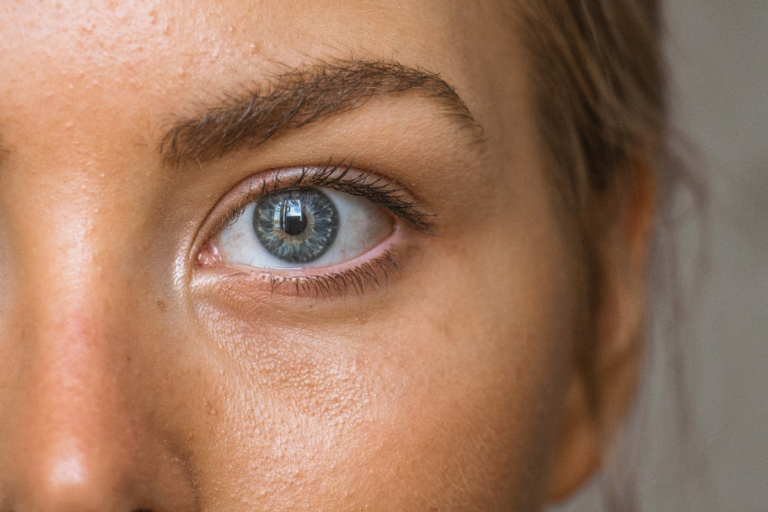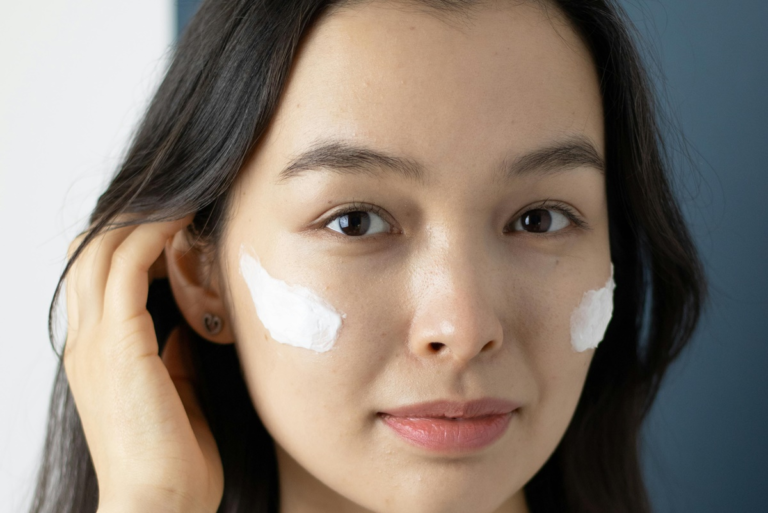
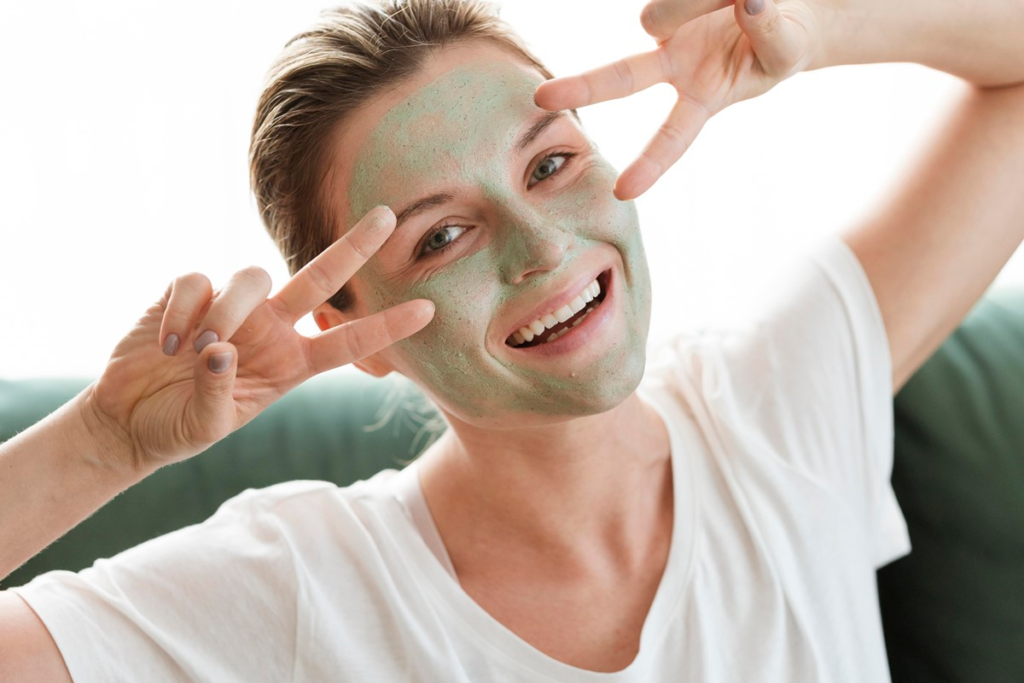
Combination skin is one of the most complex skin types to care for. It typically features excess oil and visible pores in the T-zone, while the cheeks may feel normal, dry, or sensitive. Clay masks are especially effective for combination skin because they allow for targeted oil control and pore refinement without overdrying the entire face.
This guide explains how clay masks work for combination skin, what to do after using them, when to expect results, and how to use clay masks safely on mature combination skin.
Why Clay Masks Work Well for Combination Skin
Pores on combination skin often appear enlarged due to excess sebum and congestion in the T-zone. Clay masks absorb oil, draw out impurities, and help keep pores clean, which makes them appear smaller and less noticeable.
When used strategically, clay masks improve skin texture and clarity while preserving comfort in drier areas of the face.
Benefits of Clay Masks for Combination Skin
Clay masks are particularly beneficial for combination skin because they offer controlled, selective purification.
Key benefits include:
- Visibly minimizes pores on the nose, forehead, and chin
- Controls shine without stripping moisture from cheeks
- Helps prevent blackheads and clogged pores
- Smooths skin texture and improves clarity
- Supports a more balanced, even-looking complexion
For combination skin, the goal is balance – not aggressive oil removal.
Best Types of Clay Masks for Combination Skin
Kaolin Clay for Gentle Pore Refining
Kaolin clay absorbs excess oil while remaining gentle on dry or sensitive areas, making it ideal for combination skin.
French Green Clay for T-Zone Congestion
French green clay offers deeper cleansing and works best when applied only to oily, congested areas.
Blended Clay Formulas
Masks that combine kaolin with small amounts of bentonite provide effective pore cleansing without excessive dryness.
How Often Should Combination Skin Use Clay Masks?
- Once per week for gentle full-face formulas
- 1–2 times per week on the T-zone only
- Every 10–14 days if skin is sensitive or dehydrated
Overuse can weaken the skin barrier and increase oil production.
What to Do After Removing a Clay Mask
Post-mask care is essential to prevent dehydration and keep pores looking refined.
After rinsing off the mask:
- Apply a hydrating toner or essence
- Use a lightweight hydrating serum (hyaluronic acid, glycerin)
- Apply niacinamide to help regulate oil and support pore appearance
- Seal with a non-comedogenic moisturizer
Proper hydration helps maintain skin elasticity and prevents pores from looking larger due to dryness.
When Will You See Results – and What to Expect
Clay masks provide both immediate and cumulative benefits.
After the first use:
- Reduced shine in the T-zone
- Cleaner-looking pores
- Smoother skin texture
After 3-4 weeks of consistent use:
- Pores appear smaller and less congested
- Oil production becomes more balanced
- Fewer blackheads and clogged pores
- Improved overall skin clarity
Clay masks do not permanently shrink pores, but they help prevent congestion that makes pores look enlarged.

Using Clay Masks on Mature Combination Skin: What to Know
Mature combination skin often combines oiliness in the T-zone with dryness, fine lines, and reduced elasticity in other areas. Because of this, clay masks must be used more carefully.
For mature combination skin:
- Apply clay masks mainly to the T-zone, not the entire face
- Choose kaolin-based or blended clays, avoiding strong bentonite-only formulas
- Look for masks with hydrating and soothing ingredients (glycerin, aloe, panthenol, ceramides)
- Limit use to once every 7–10 days
- Remove the mask before it fully dries
When used correctly, clay masks help keep pores clear while preserving skin comfort and elasticity.
Recommended Clay Masks for Combination Skin
Best Clay Masks for Combination Skin (All Ages)
Gentle / Combination-Friendly:
- La Roche-Posay Effaclar Sebo-Controlling Mask
- The Inkey List Kaolin Clay Mask
- Youth To The People Superclay Purify + Clear Power Mask
Balanced Deep-Cleansing Options:
- Kiehl’s Rare Earth Deep Pore Cleansing Masque
- Origins Clear Improvement Active Charcoal Mask
- Paula’s Choice Clear Purifying Clay Mask
For T-Zone Only (Stronger Formulas):
- The Ordinary Salicylic Acid 2% Masque
- Aztec Secret Indian Healing Clay (spot use only)
Best Clay Masks for Mature Combination Skin
These formulas focus on pore refinement without emphasizing dryness or fine lines:
- Paula’s Choice Clear Purifying Clay Mask
- Youth To The People Superclay Purify + Clear Power Mask
- Kiehl’s Rare Earth Deep Pore Cleansing Masque (thin layer, short wear time)
- Clarins SOS Pure Rebalancing Clay Mask
- Vichy Pore Purifying Clay Mask
These masks combine oil-absorbing clays with soothing and hydrating ingredients, making them more suitable for mature skin.
Common Mistakes Combination Skin Should Avoid
- Using strong clay masks on the entire face
- Letting the mask dry completely and crack
- Skipping hydration afterward
- Applying clay masks too frequently
Avoiding these mistakes helps maintain a healthy skin barrier and refined-looking pores.
Final Thoughts: Are Clay Masks Worth It for Combination Skin?
Clay masks are one of the most effective tools for reducing the appearance of pores on combination skin, including mature skin, when used strategically. By focusing on oily areas and supporting the skin with proper hydration, they improve texture, clarity, and balance without dryness.
Used consistently, clay masks can be a valuable part of a long-term pore-care routine.
Affiliate Disclaimer: This article may contain affiliate links, including links to Amazon and other partner programs. If you purchase through these links, I may earn a small commission at no additional cost to you. This helps support the creation of free, helpful skincare content. All recommendations are based on independent research and professional expertise.